Gramafon
Rruga Andon Zako Çajupi1000 Tirana

Where contemporary jazz meets Albanian folklore.
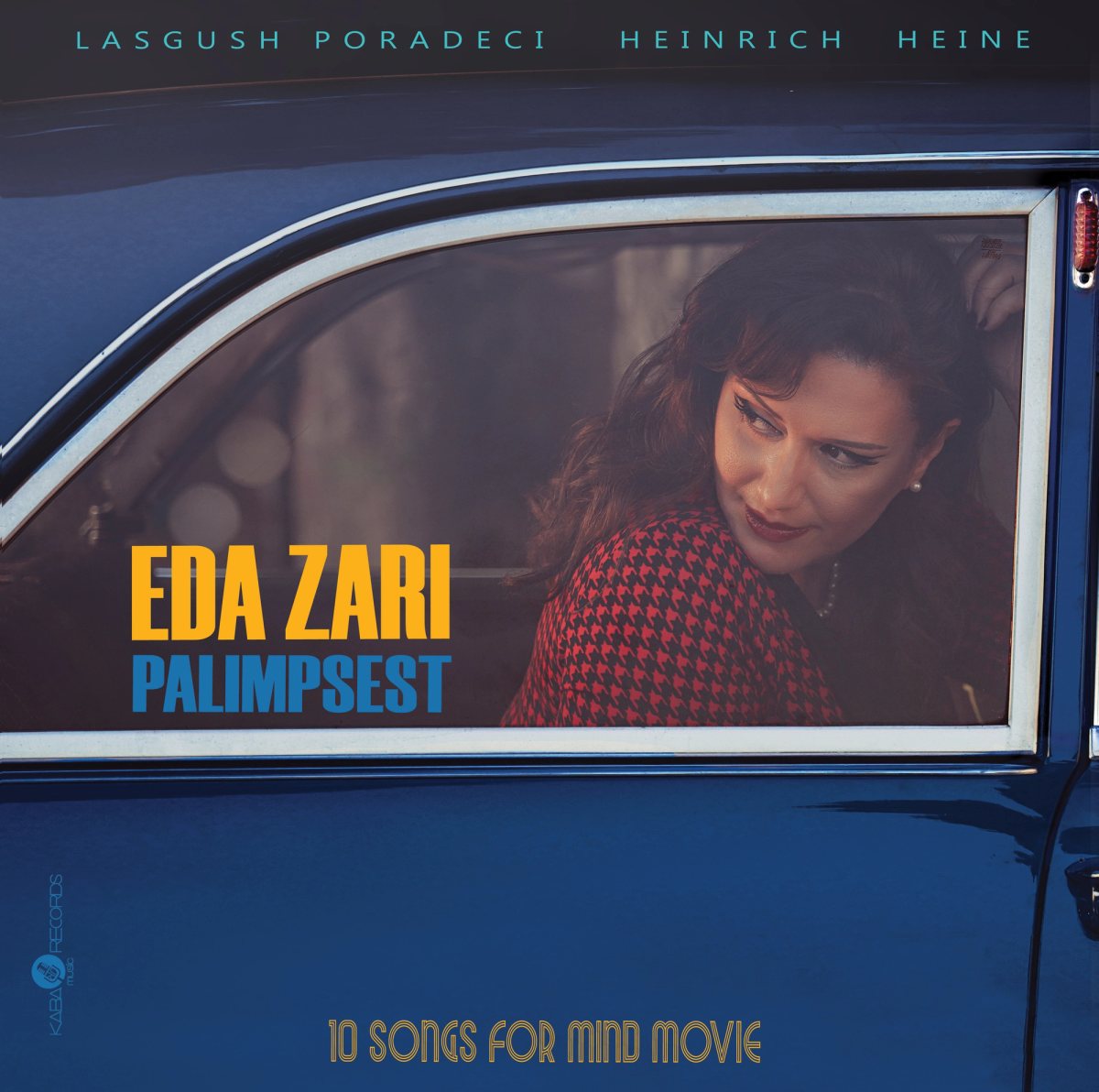
PALIMPSEST · Double LP · 180 g · Ocean blueSelected storesENTER THE SOUNDPalimpsest · 2022 · Kaba Music Records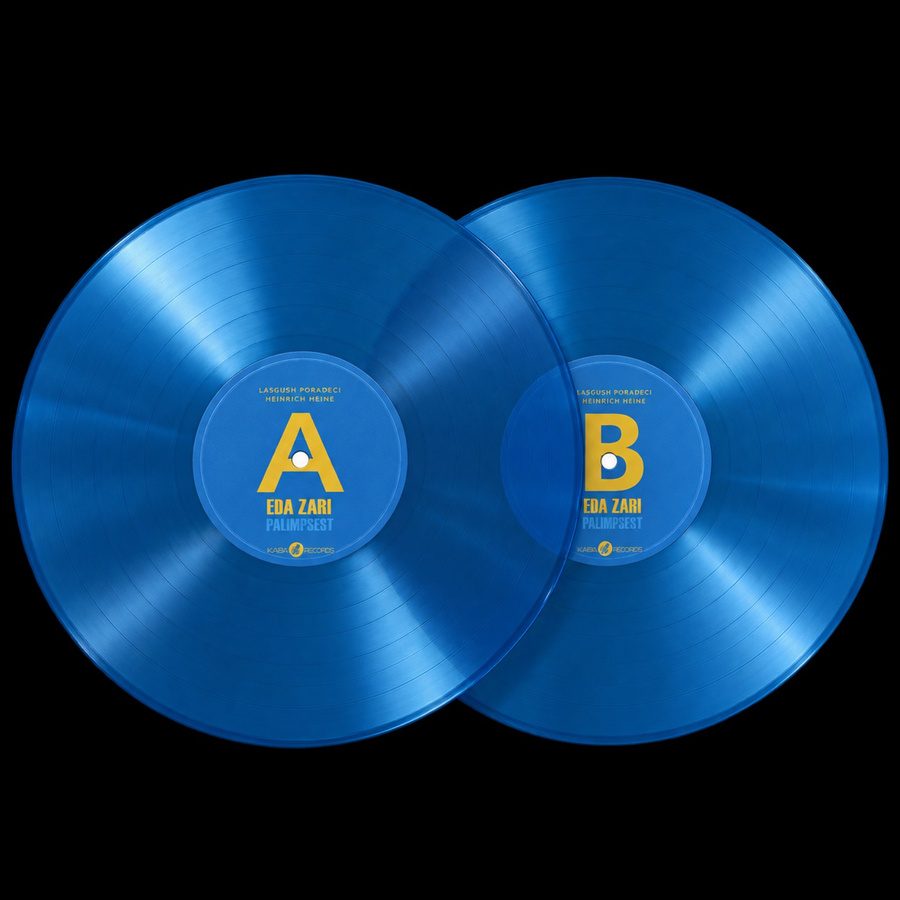
Double LP · 180 g · Ocean blue
Limited edition deluxe
Discover the physical edition at selected record stores in Tirana and Düsseldorf.
Contact the store for availability and orders.
VOICE · COMPOSITION · IMPROVISATION
From The Art of Time to Palimpsest, Eda Zari’s recordings include collaborations with Mark Joggerst, Dominic Miller and Ibrahim Maalouf.
Read the story
02 / Music
SWIPE · SELECT · LISTEN
Tap the cover to explore. Swipe for the next record.Lasgush Poradeci · Heinrich Heine
From the stage, new projects and the artist’s daily life.
Essays and reflections on sound, place and the stories that shape us.

From the dark of Tirana’s old Kinema Republika and the memory of Bekim Fehmiu to Christopher Nolan’s monumental 70mm cinema: a meditation on how an ancient pastoral timbre can cross from Gramsh into a global screen and awaken cultural memory.
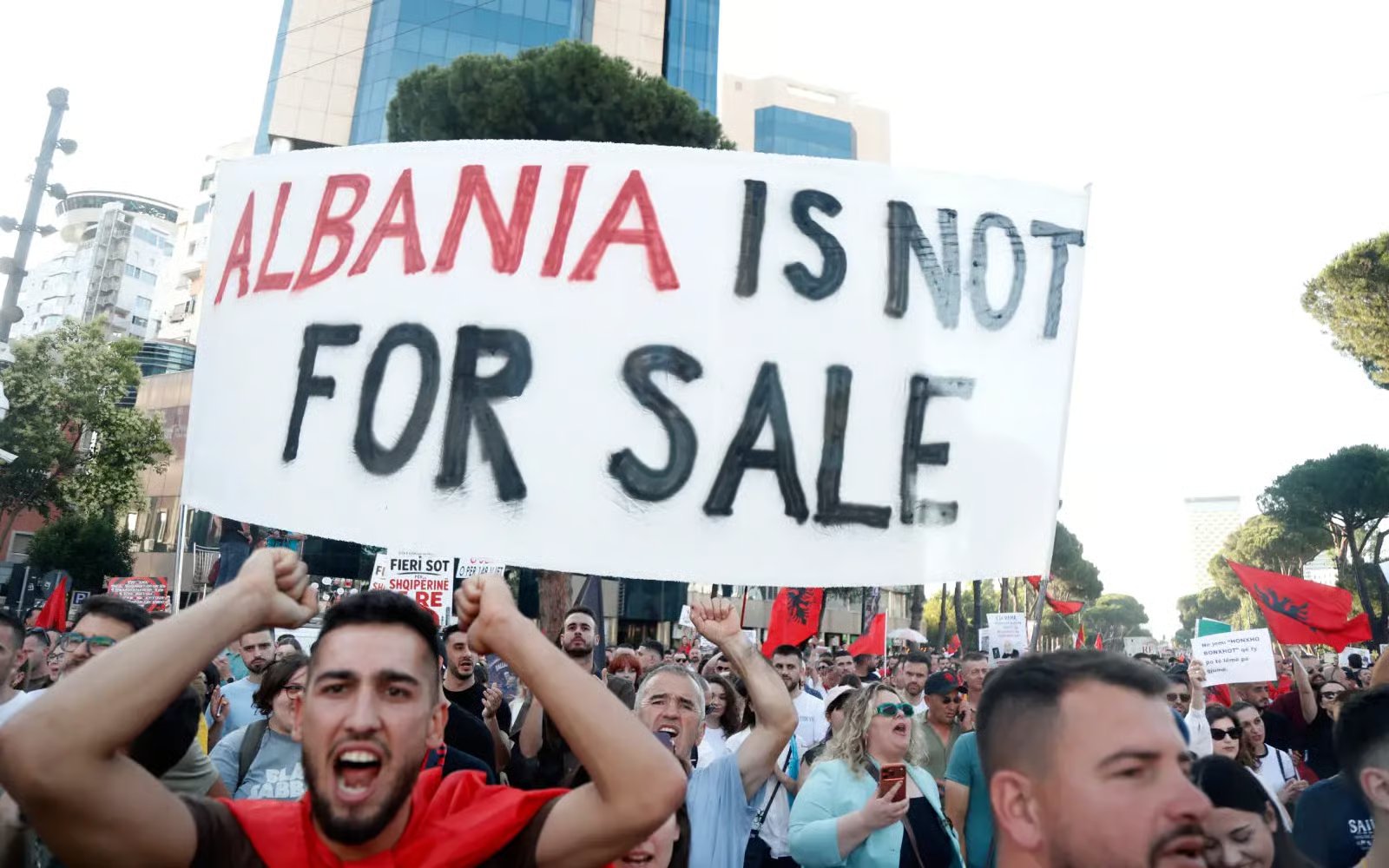
A reflection on Bad Bunny, Puerto Rico, migration, folklore and Albania’s own civic protests — on how music can carry resistance, memory and dignity across borders.
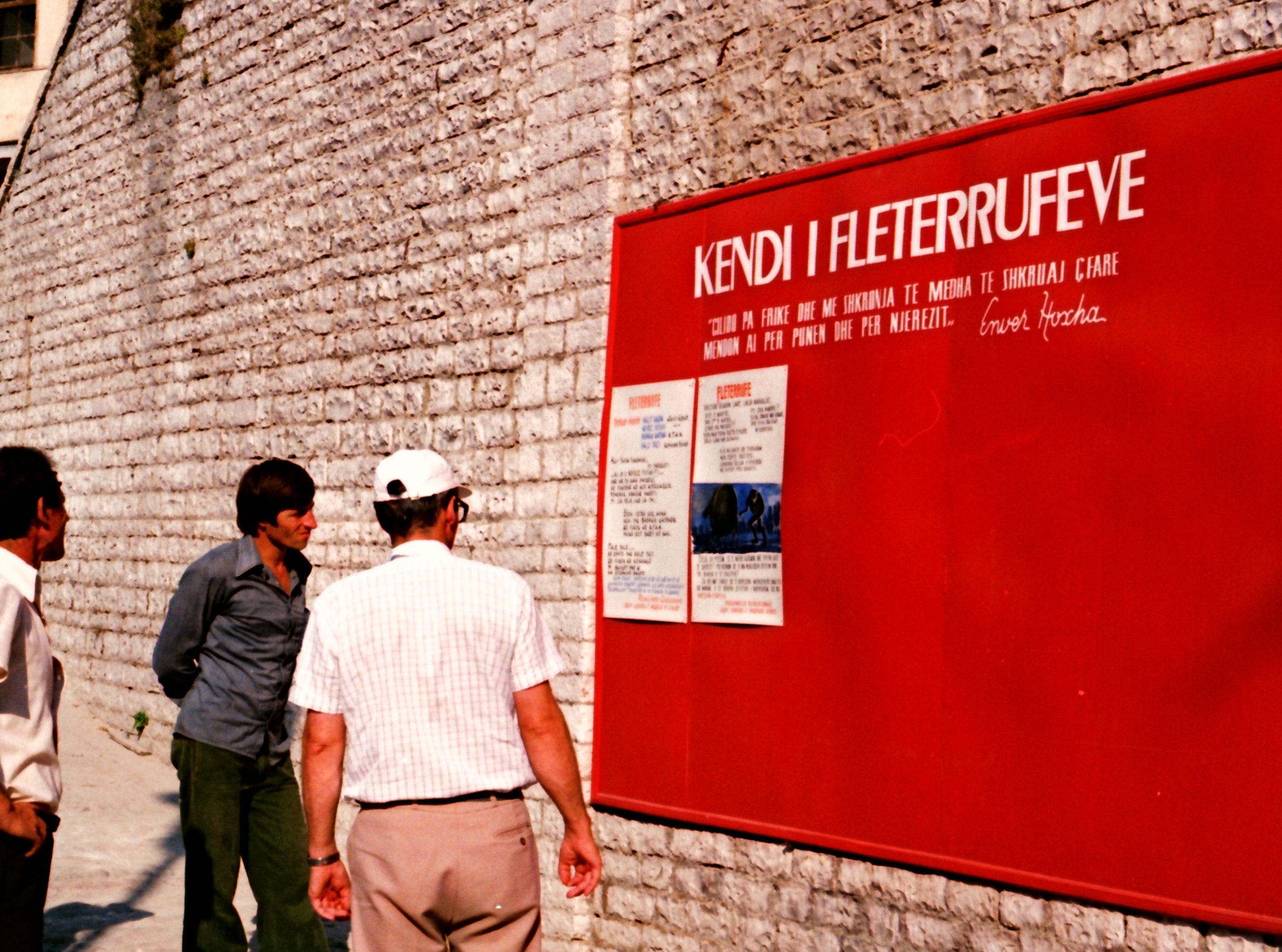
A reflection on public shaming, ordered heroism and the ethics of civic resistance — on why conscience cannot be summoned by command and why every person must remain free to choose the form of their own response.
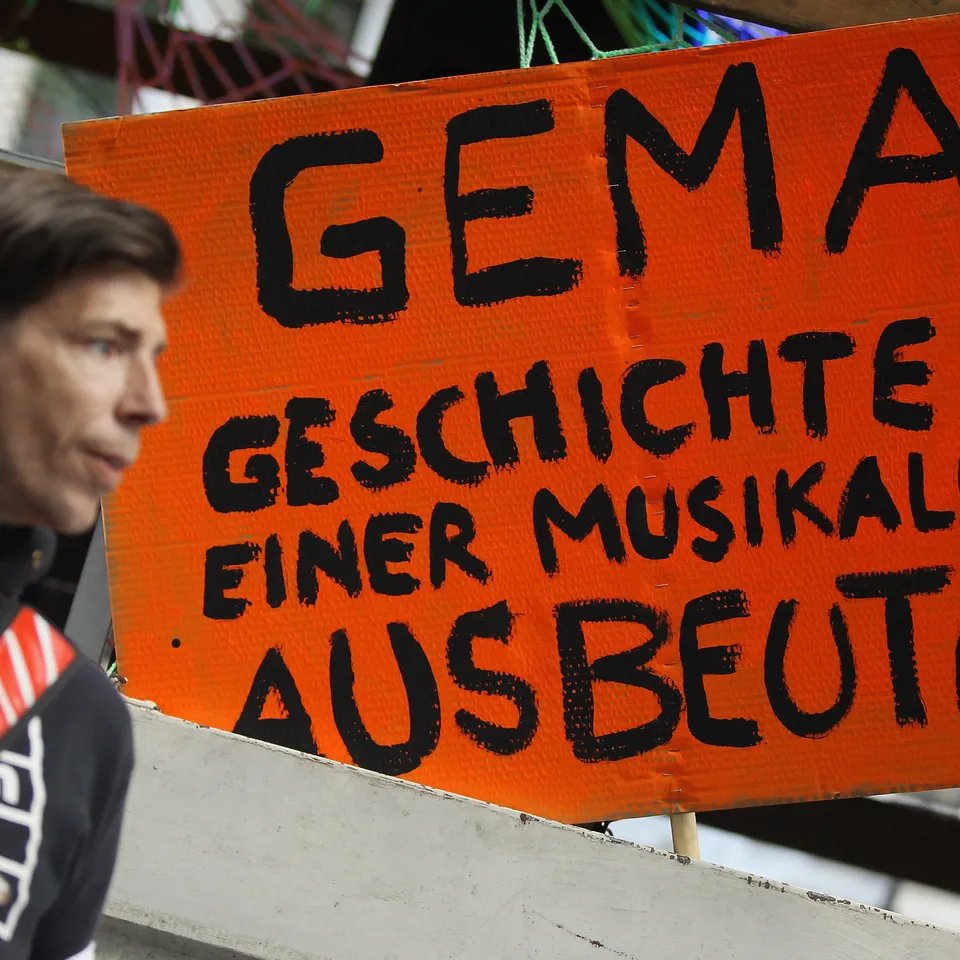
An essay on the asymmetry of copyright administration between Germany and the Balkans, the fiduciary duties of collecting societies, and the material survival of creators.

A cultural-diplomacy essay on Kosovo’s exclusion from the Eurovision Song Contest, examining EBU membership rules, soft power, nation branding, institutional double standards and the gap between cultural belonging and bureaucratic recognition.

A polemical essay on intellectual conformity, artistic provocation, public debate and the Albanian gender-equality law, written in response to criticism surrounding an installation at the National Museum in Tirana.
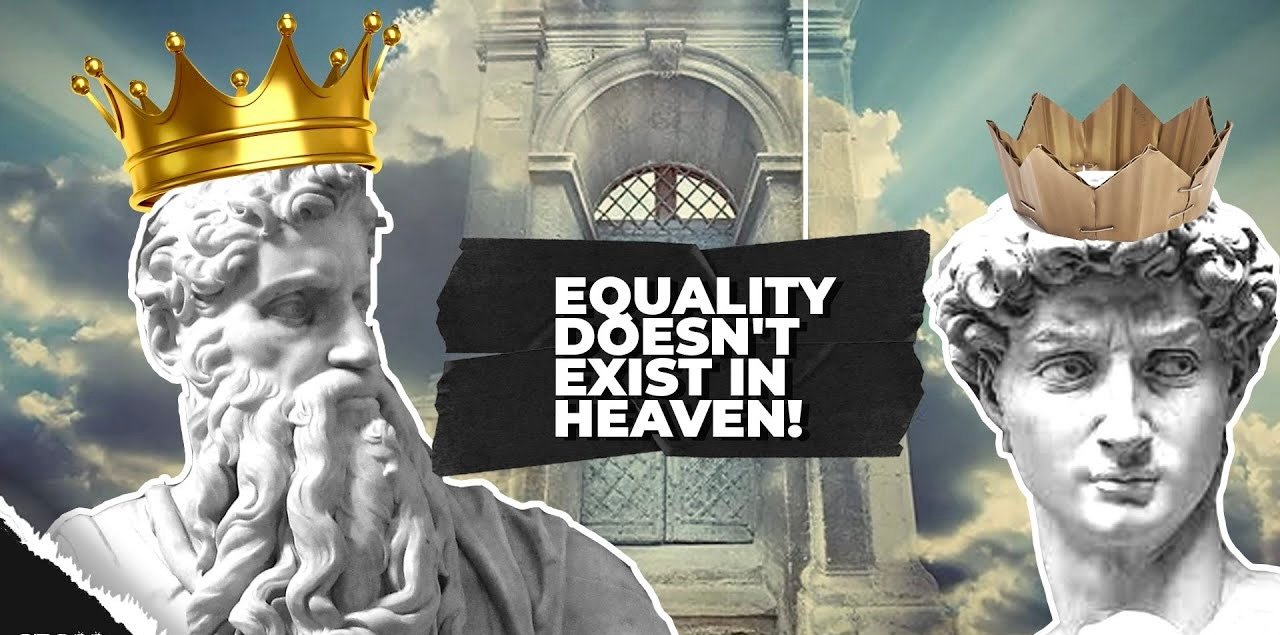
A critical essay on Albania’s 2025 gender-equality law, inclusive language, political symbolism and the tension the author sees between legal categories, biological sex, family life and social reality.
A reflection on cultural memory, audience engagement and the challenge of turning research on Albania’s 1990s music-video culture into a public conversation rather than an expert-only event.
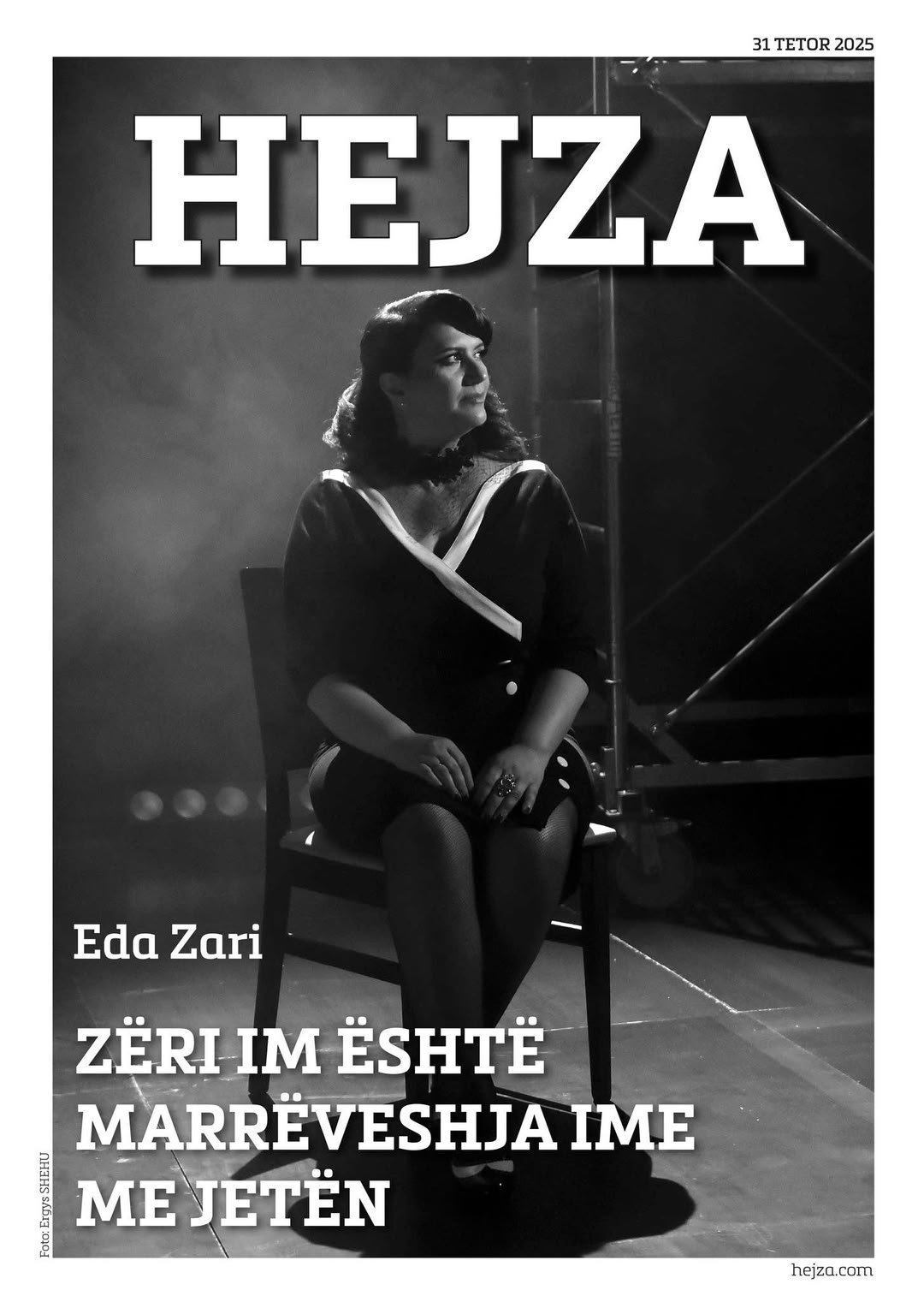
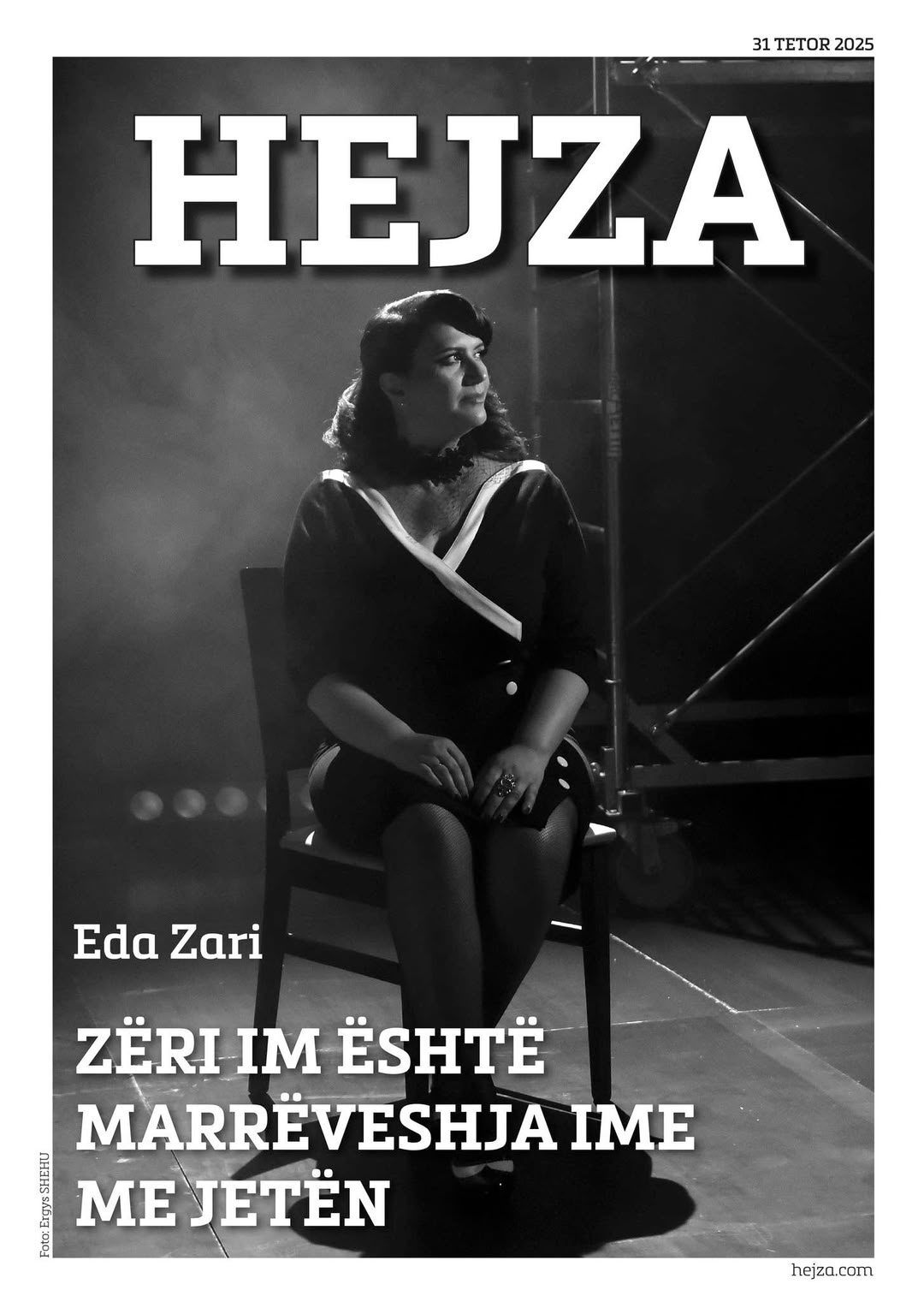
“My voice is my pact with life.” In this long-form HEJZA interview, Eda Zari reflects on Albanian polyphony, jazz, artistic freedom, migration, memory, the ethics of listening and the role of culture in a democratic society.
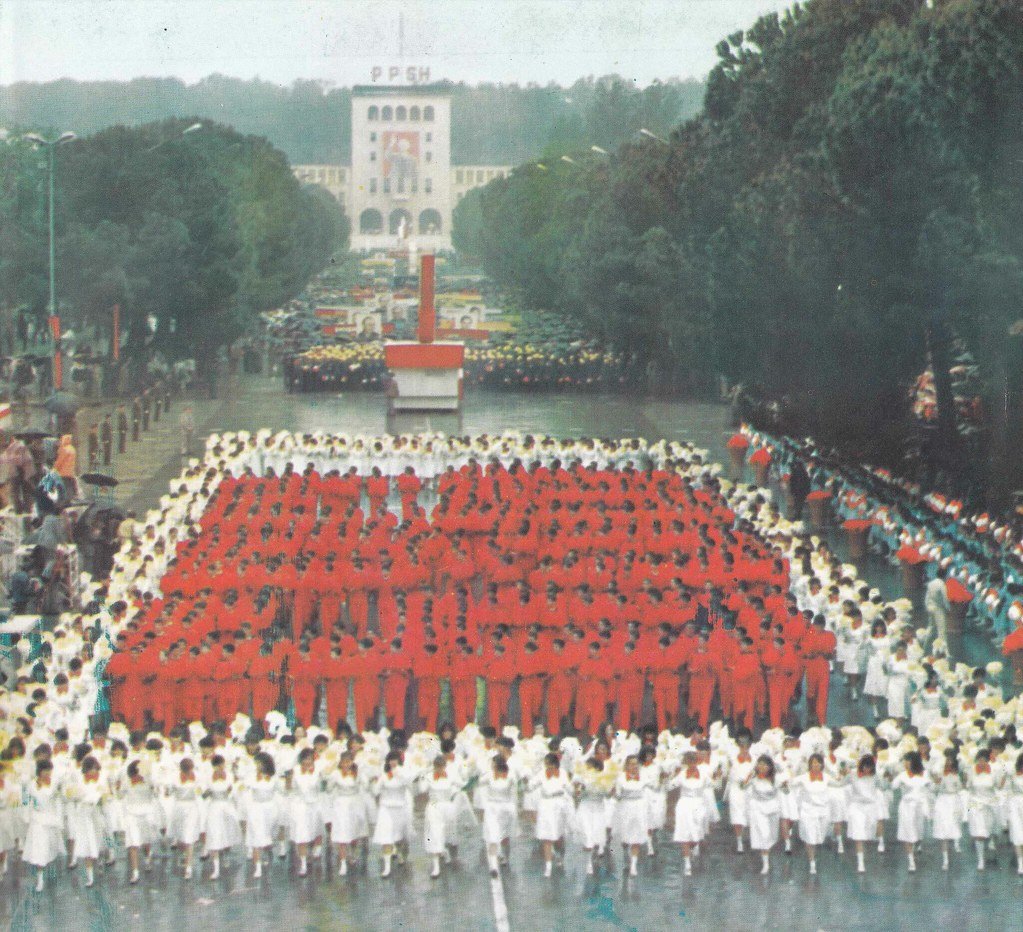
A personal May Day reflection moving from childhood memories of socialist Tirana to the history of the labour holiday, its appropriation by totalitarian regimes, and the need to distinguish communal memory from political spectacle.
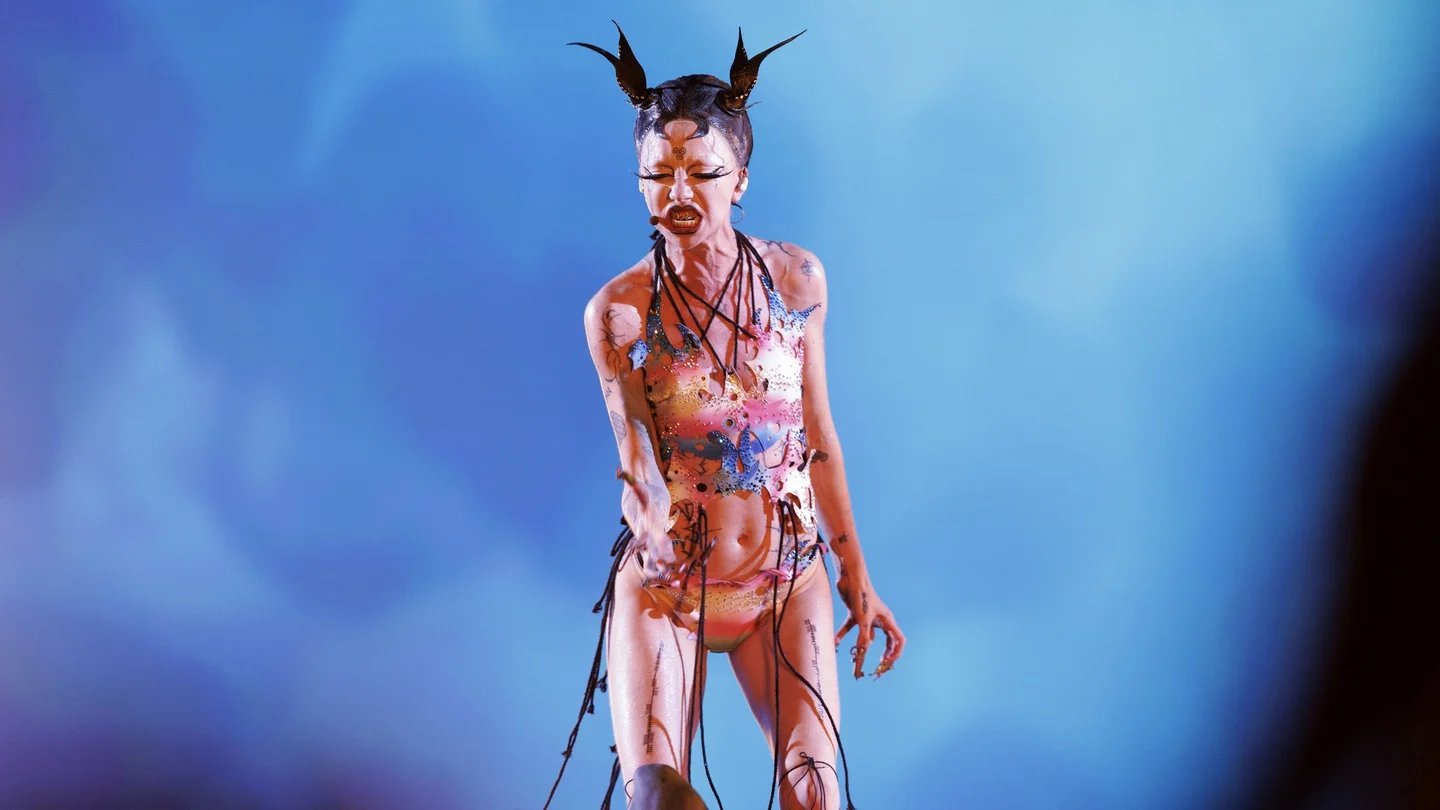
A performer-producer’s reflection on Eurovision 2024: dazzling stage technology, next-generation audio, vocal perfection, the temptation of processing, and the artistic value of human imperfection.
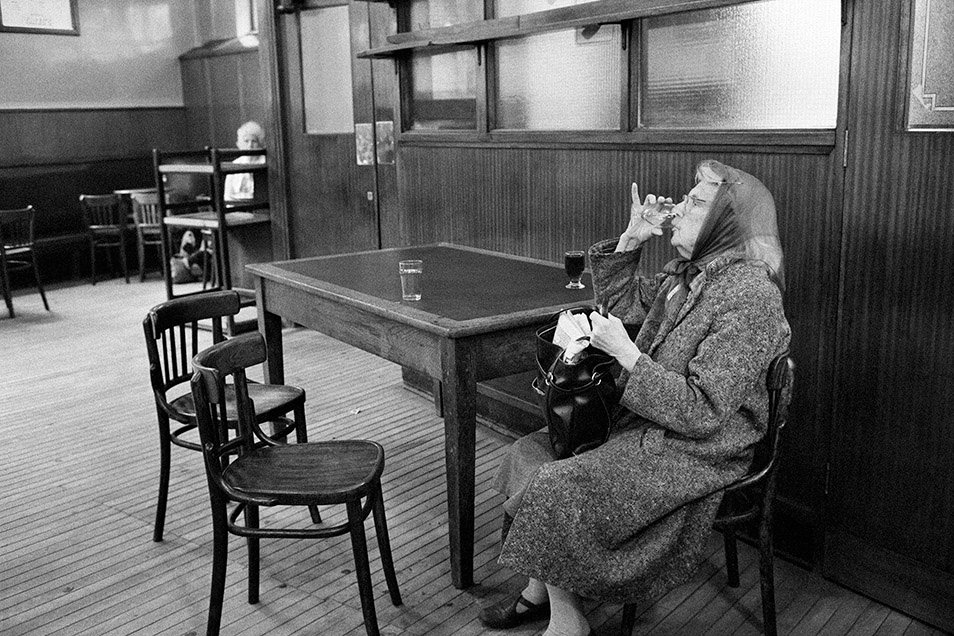
Rose Ausländer Albanian version by Eda Zari I Do Not Renounce I do not renounce flowers and music, my anger at the hunger of thousands, a human being’s smile, harsh and tender words, being here in an incomprehensible world. Gladly, I renounce death that doe
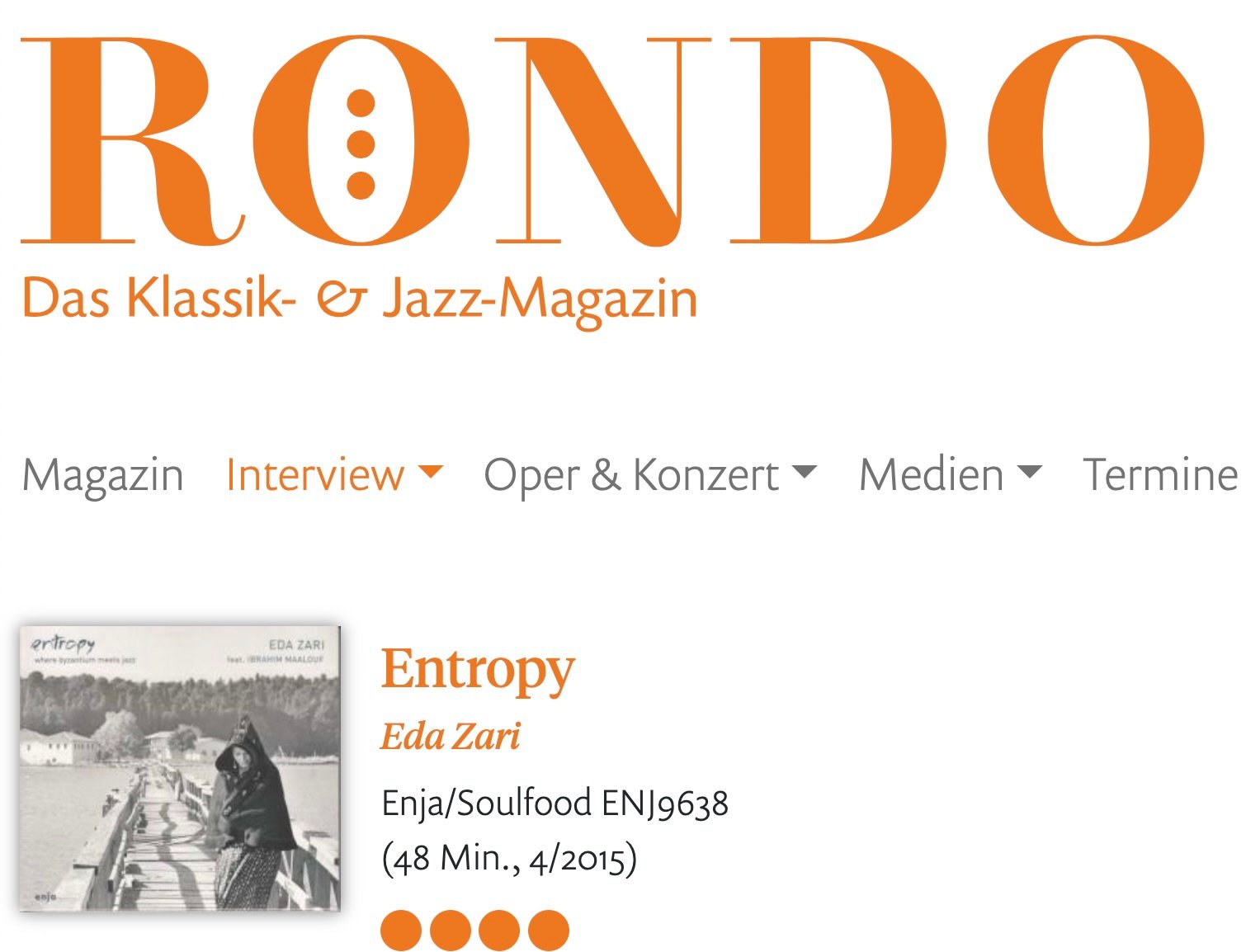
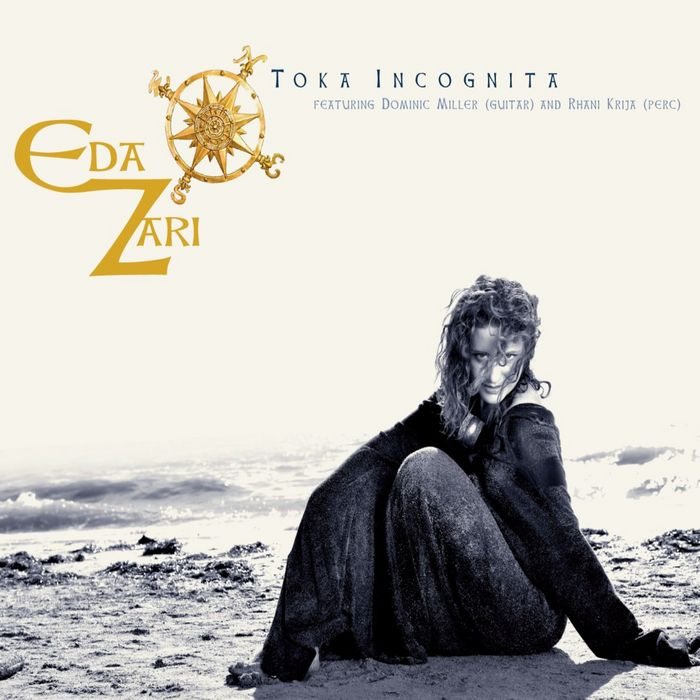
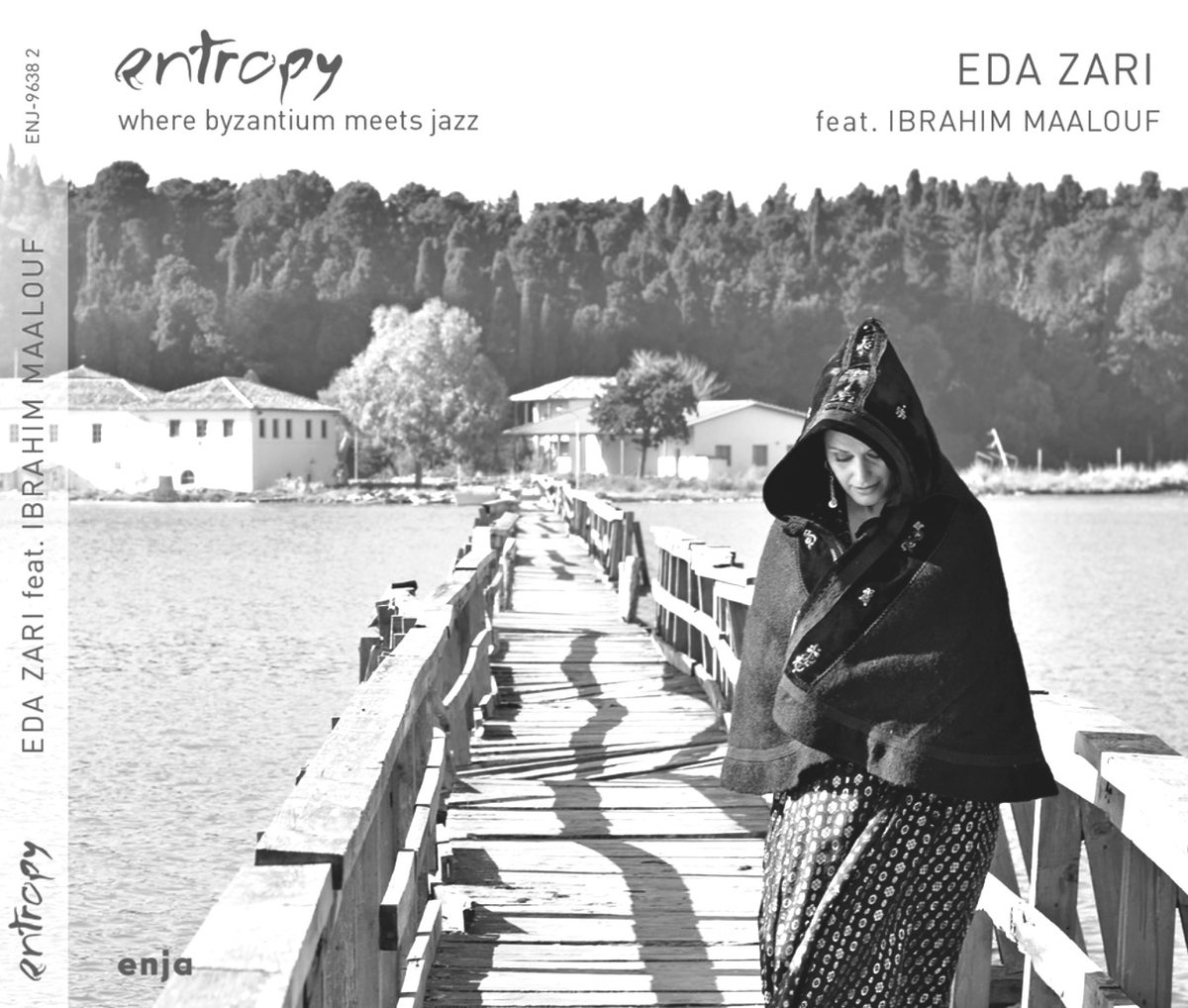
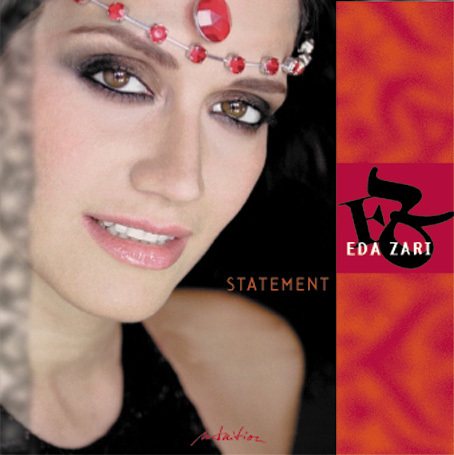
A selection of international press and radio reviews of Eda Zari’s albums and performances, including Entropy, Toka Incognita and Statement.
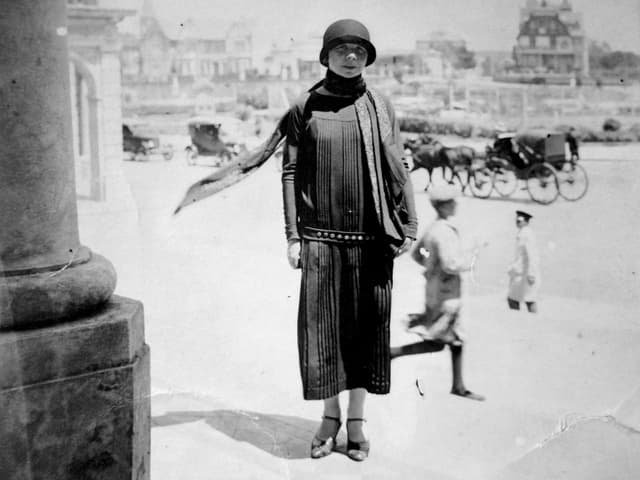
Alfonsina Storni Translated into Albanian from German by Eda Zari To a Martian Do you truly exist on the red planet? Do you, like me, have delicate hands for touching, a mouth for laughter, a heart for poetry, and a soul governed by fragile nerves? Perhaps
Hilde Domin Translated into Albanian from German by Eda Zari The Hardest Roads The hardest roads are walked alone. Disappointment, loss, sacrifice — they are solitary. Even the dead, who answer every call and refuse no plea, cannot stand beside us; they onl

A personal essay on the ritual of concentrated listening, the tactile pleasure of vinyl, childhood radio memories, streaming culture and why Palimpsest was released as a limited-edition double LP.
Rose Ausländer Albanian version by Eda Zari I Do Not Renounce I do not renounce flowers and music, my anger at the hunger of thousands, a human being’s smile, harsh and tender words, being here in an incomprehensible world. Gladly, I renounce death that doe
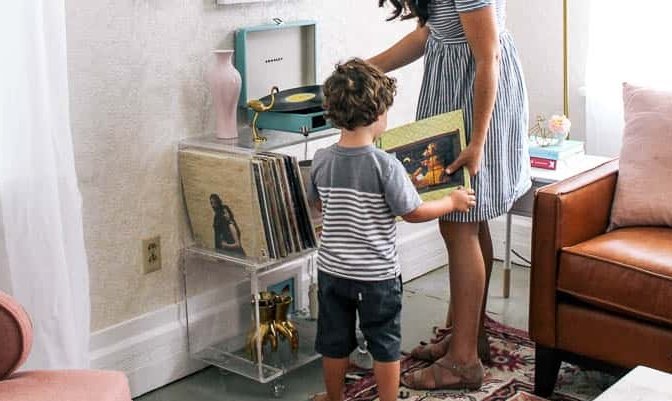
A summer essay about Bossa Nova, João Gilberto, memory and musical inheritance, written around an intimate mother-and-son rehearsal with Henning Jung before a concert in Brazil.

A short essay inspired by Umberto Eco’s Papa Satàn and his satire on public apologies, social absurdity, media hysteria, political correctness and the temptation to replace reason with spectacle.
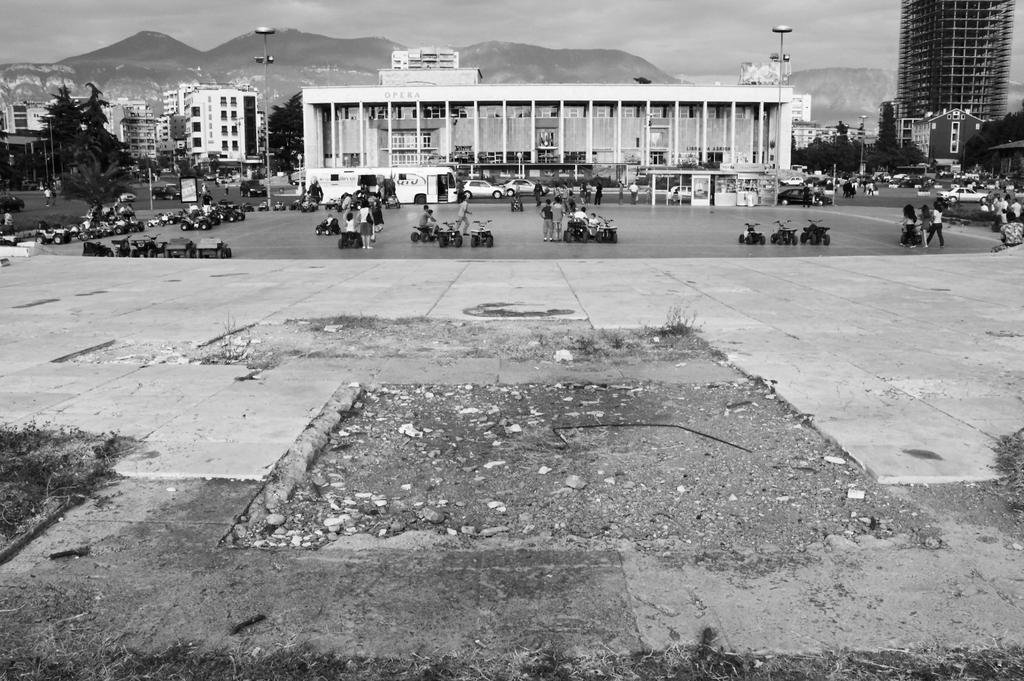
A family remembrance of Artan Lenja, killed in Tirana on 24 February 1991, and a reflection on memory, accountability and the unfinished work of confronting Albania’s communist dictatorship.
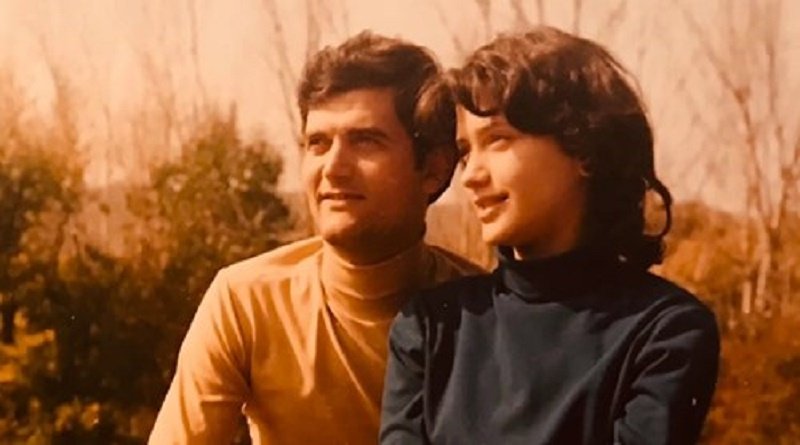
A deeply personal essay built around a 1990 diary entry, the killing of Eda Zari’s brother Ilirjan at Albania’s border, the Sigurimi files and the unresolved question of legal and social accountability after dictatorship.
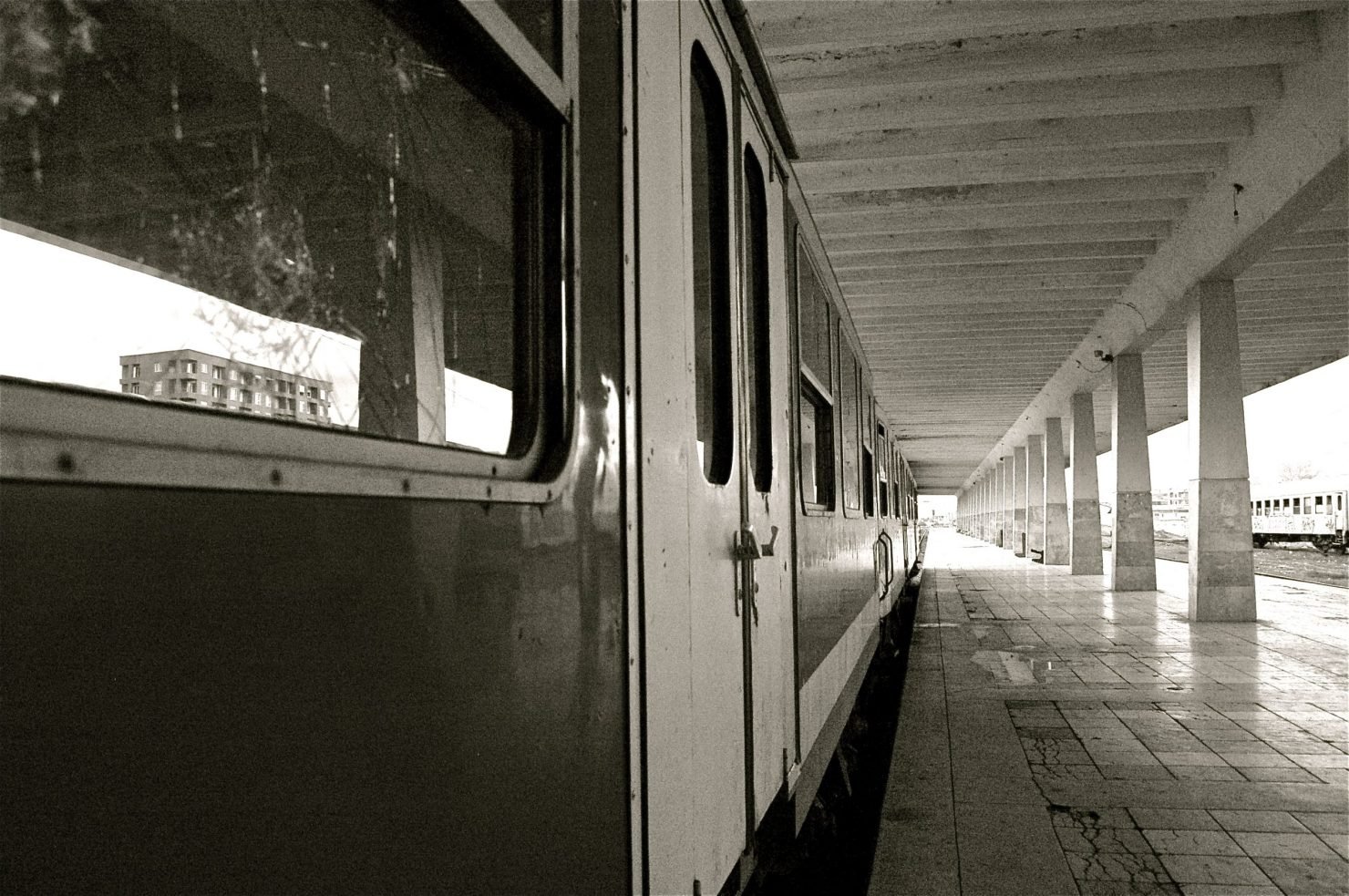
A personal essay on the demolished Tirana railway station, childhood train journeys, forced labour, urban memory and the responsibility to preserve material evidence of Albania’s difficult twentieth-century history.
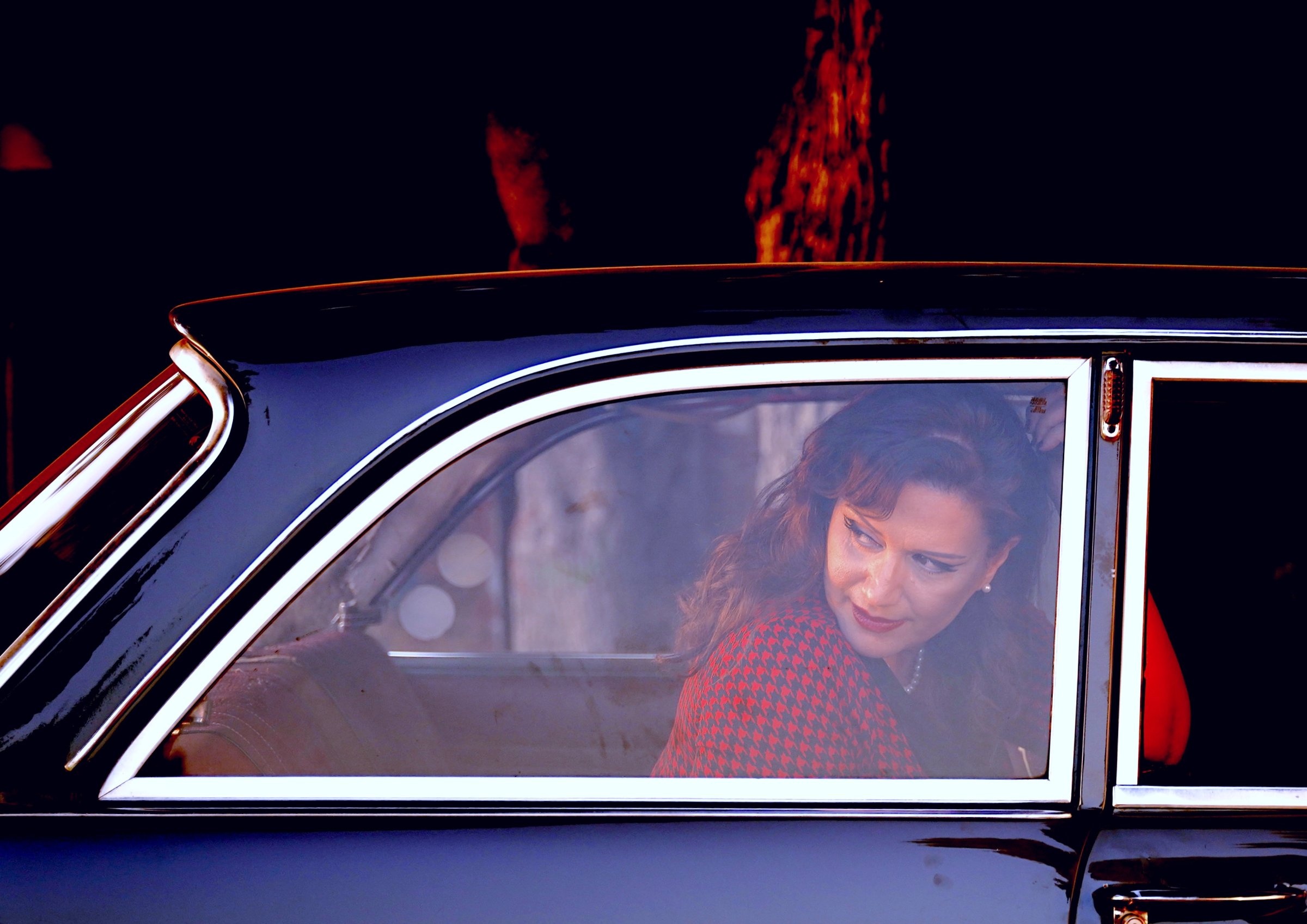
Eda Zari introduces Palimpsest, her bilingual Albanian-German concept album built around the poetry of Lasgush Poradeci and Heinrich Heine, where memory, exile, language and music are layered like a rewritten manuscript.
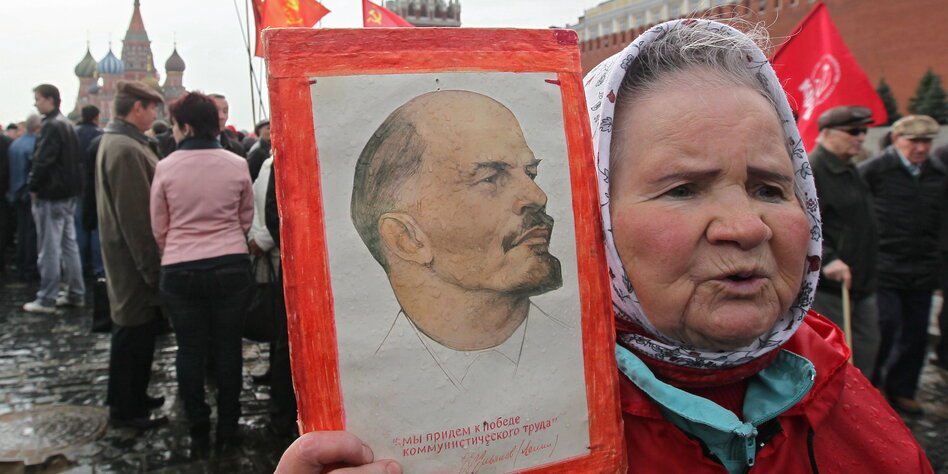
Eda Zari’s Albanian translation of Bertolt Brecht’s poem about the carpet weavers of Kujan-Bulak, who honor Lenin not with a plaster bust but by using the money to fight malaria in their village.
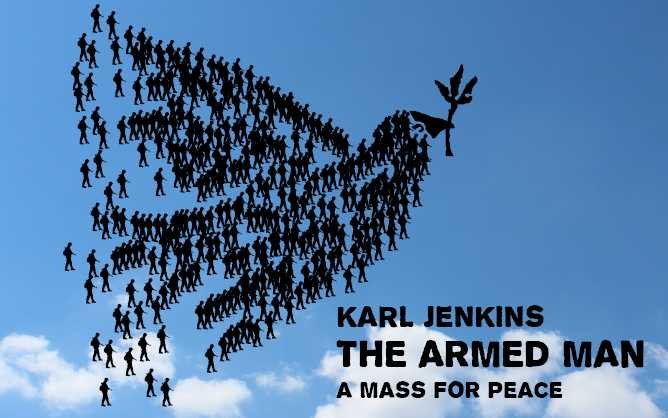
Eda Zari reflects on Karl Jenkins’s The Armed Man: A Mass for Peace, its dedication to victims of the Kosovo war, its multicultural musical language and its message against war.
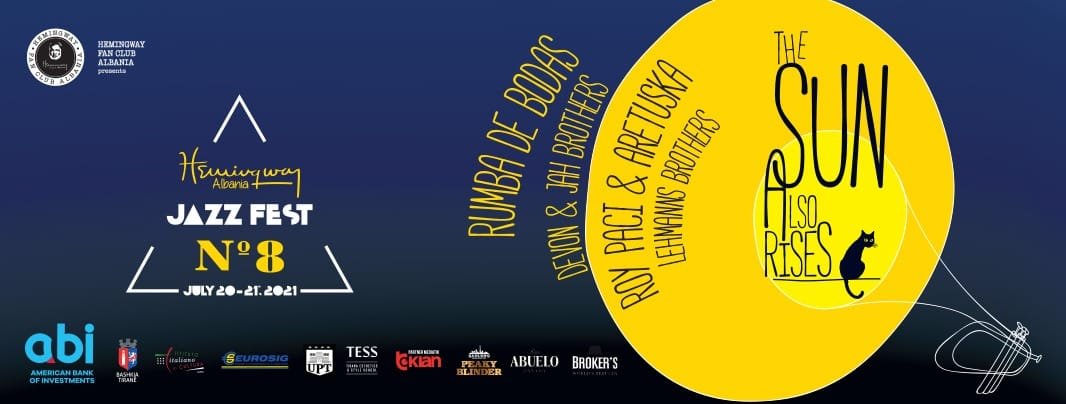
Eda Zari looks back at the origins of Hemingway Jazz Fest in Tirana, its growth from a small open-air neighbourhood initiative into a broader platform for jazz, performance and cultural exchange.
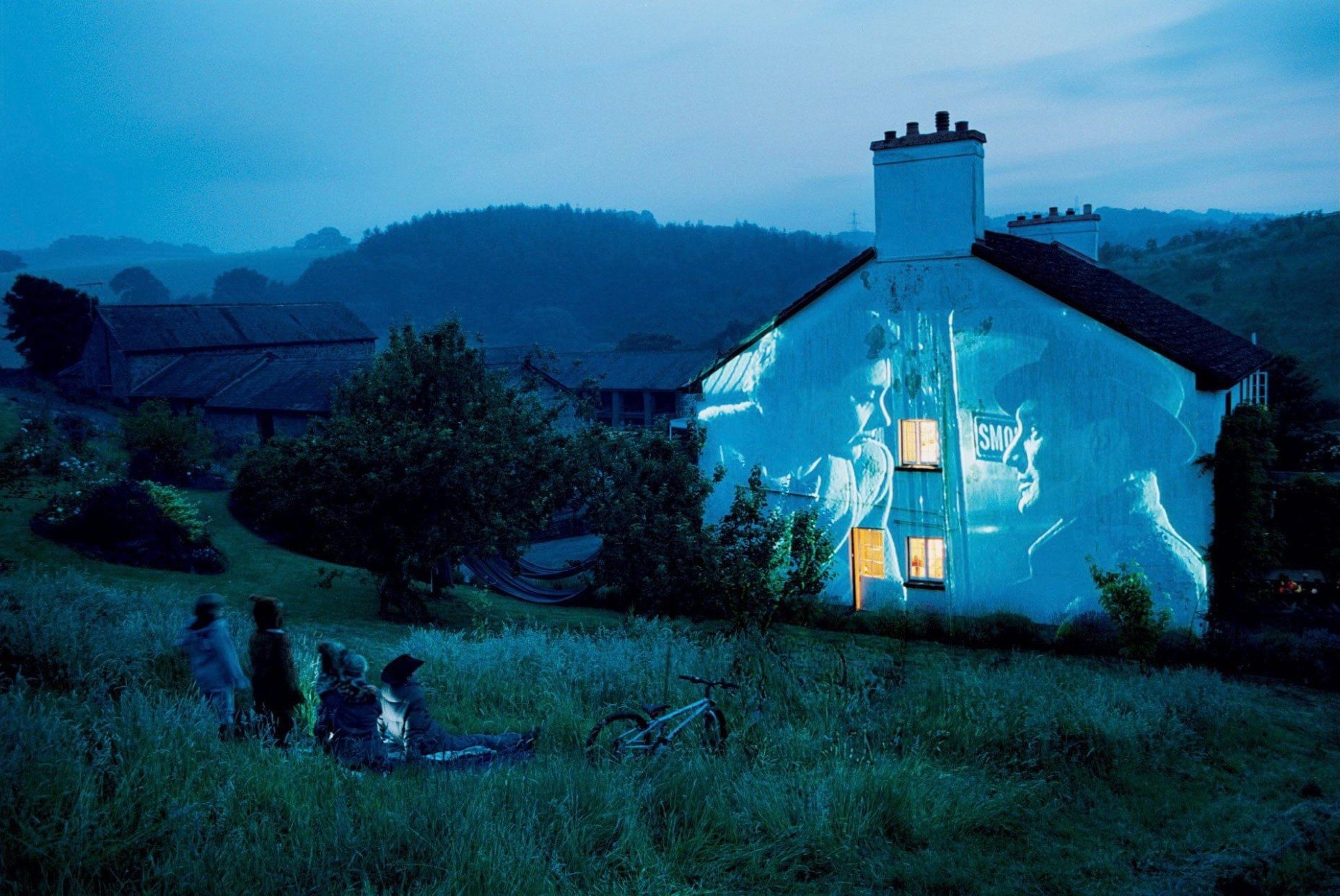
Rainer Maria Rilke Albanian version by Eda Zari The Lovers See how they grow into one another: in their veins everything becomes spirit. Their forms tremble like axes around which heat and rapture wheel. Thirsting — and they are given drink. Awake, and see:
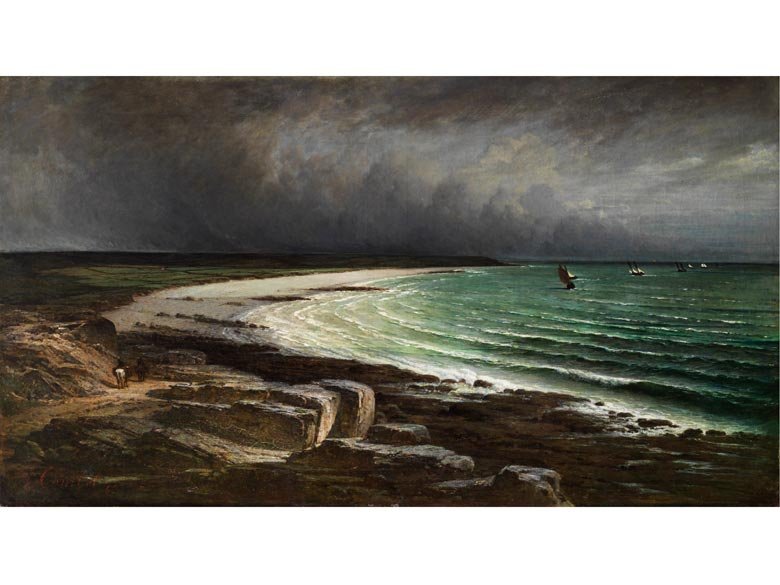
Ingeborg Bachmann (1954) Albanian version by Eda Zari Songs from an Island When someone leaves, he must throw into the sea the hat with the shells he gathered all summer, and sail with his hair in the wind. He must overturn into the sea the table he laid fo

Hilde Domin Albanian version by Eda Zari Words Words are ripe pomegranates, they fall to earth and open. Everything within is turned outward; the fruit lays bare its secret and reveals its seed, a new secret. From the volume Only a Rose as Support (1959).
Eda Zari reflects on Myslym Lela, Muharrem Gurra and the urban musical tradition of central Albania, tracing the song “Qan lulja për lulen” toward jazz, mixed metres and a new interpretation with Elchin Shirinov, Christian Kappe and Henning Jung.

Rose Ausländer Albanian versions by Eda Zari Rain-Words Rain-words flood over me. Drawn up by drops, washed into the clouds, I rain into the open scarlet mouth of the poppy. Love VI We shall find one another again in the lake: you as water, I as a lotus fl
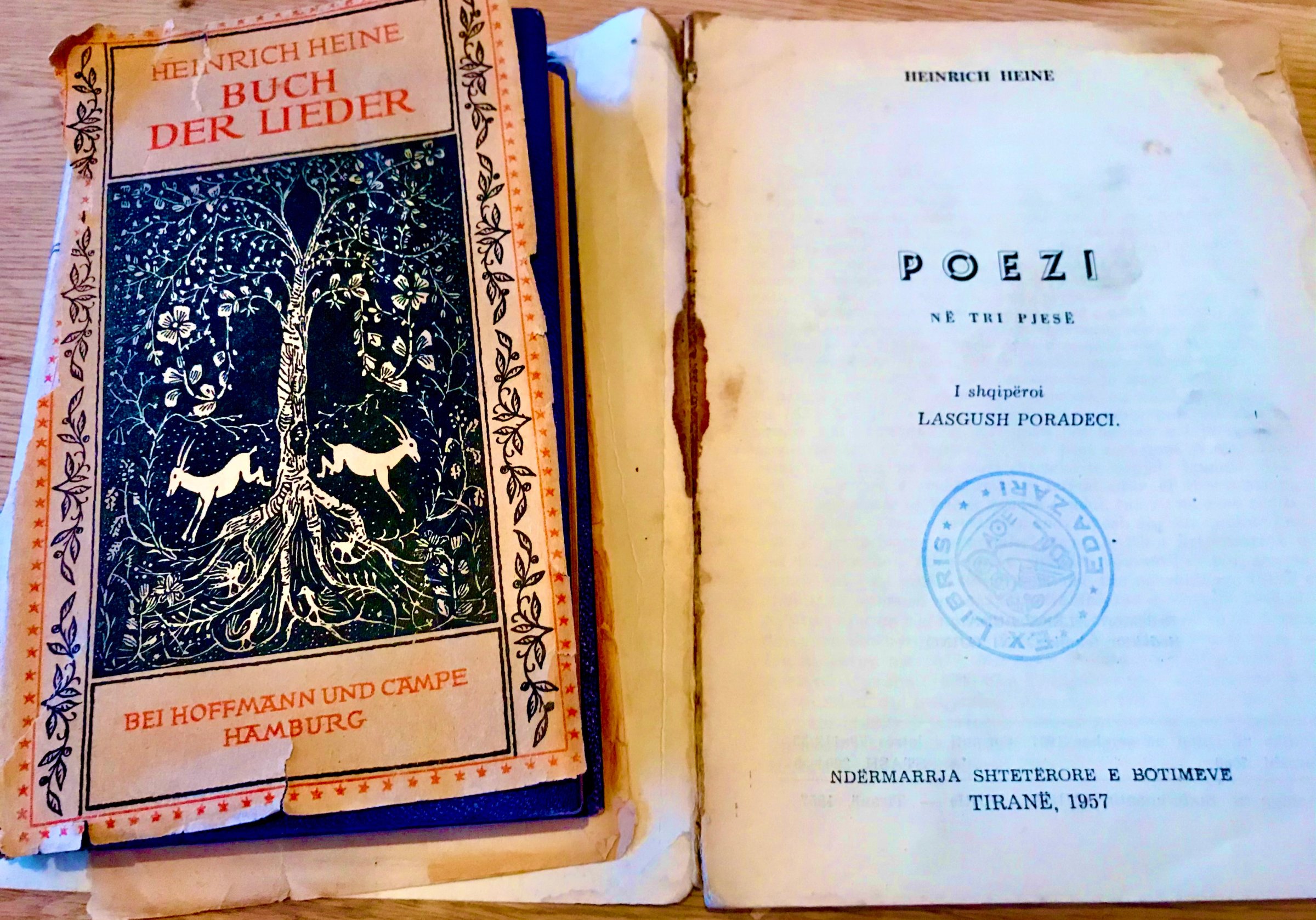
Eda Zari reflects on whether music comes before words or words before music, moving through Schopenhauer, Strauss, Ronsard, Lasgush Poradeci, Heine and Schumann while tracing the making of her bilingual album Palimpsest.
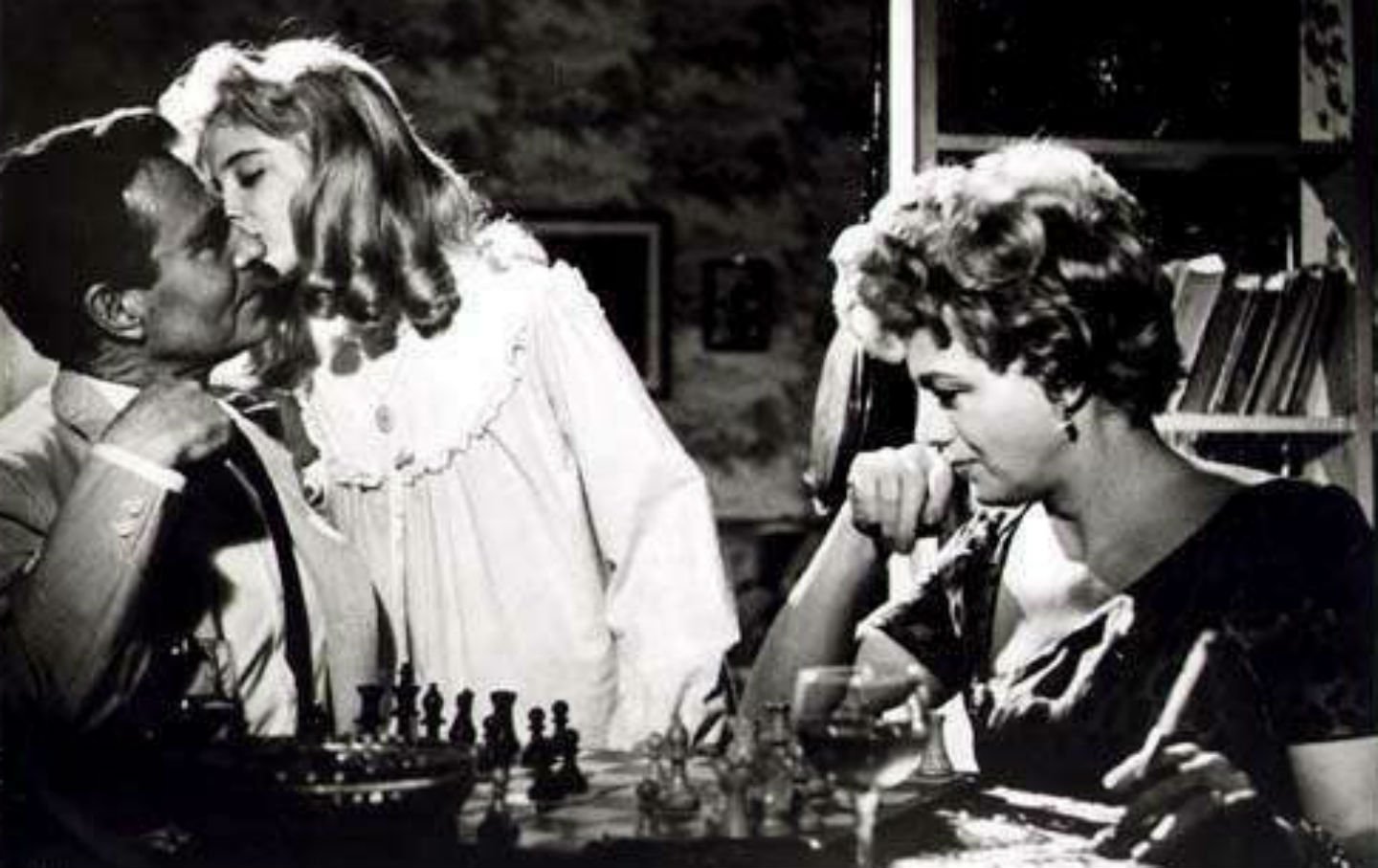
Heinrich Heine Albanian version by Eda Zari Which One Should I Fall in Love With… Which one should I fall in love with, when both are equally lovable? The beautiful woman is still the mother; the daughter, a lovely child. Those white, inexperienced limbs ar

Starting from Beethoven’s 250th anniversary, Eda Zari turns toward the women who were pushed to the margins of music history — Hildegard von Bingen, Clara Schumann, Emilie Mayer, Alma Mahler and major women performers of today.
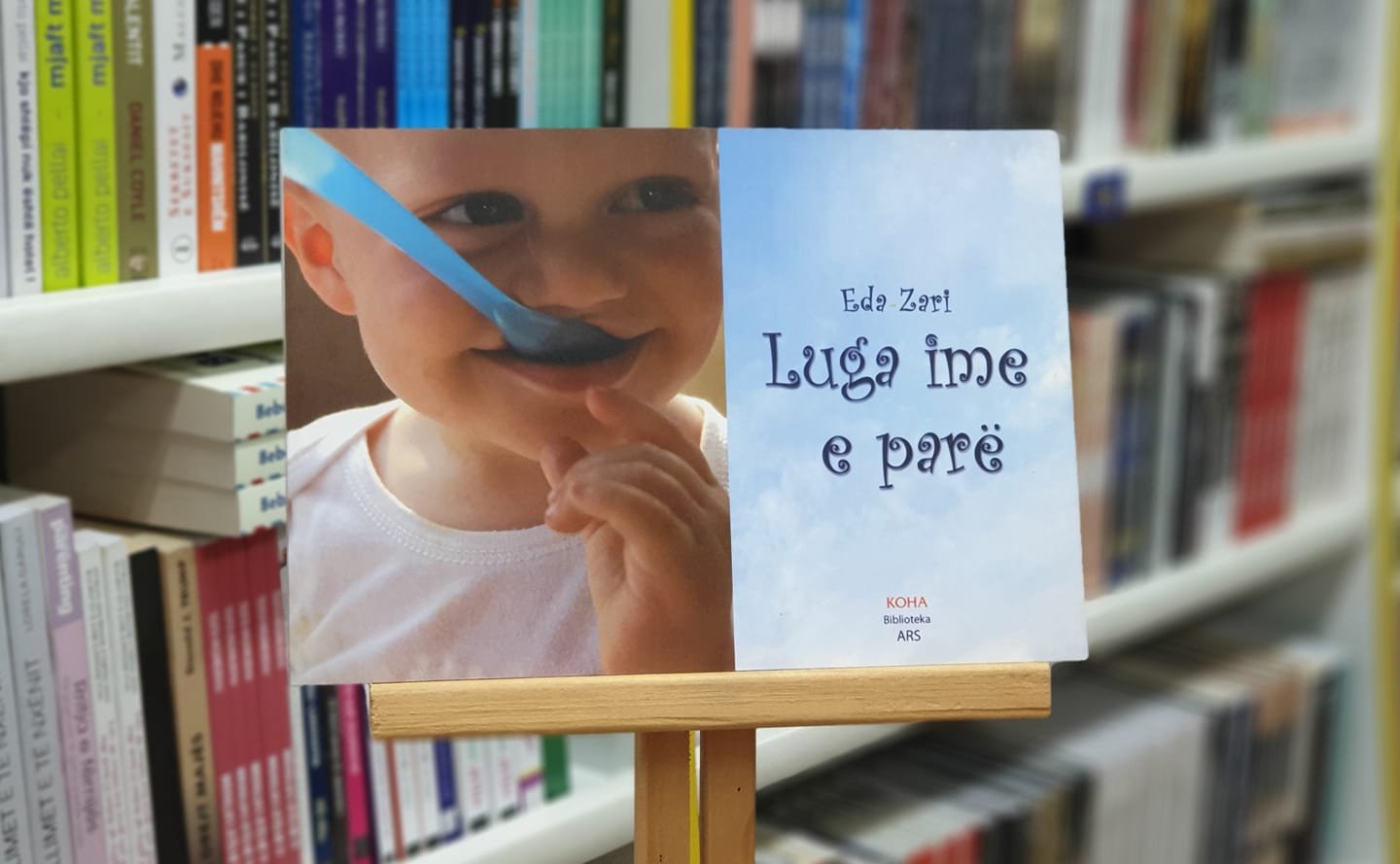
In an interview with Gazeta Si about her book My First Spoon, Eda Zari discusses breastfeeding, first foods, homemade cooking, motherhood, career, photography and the importance of feeding a child without guilt or rigid dogma.
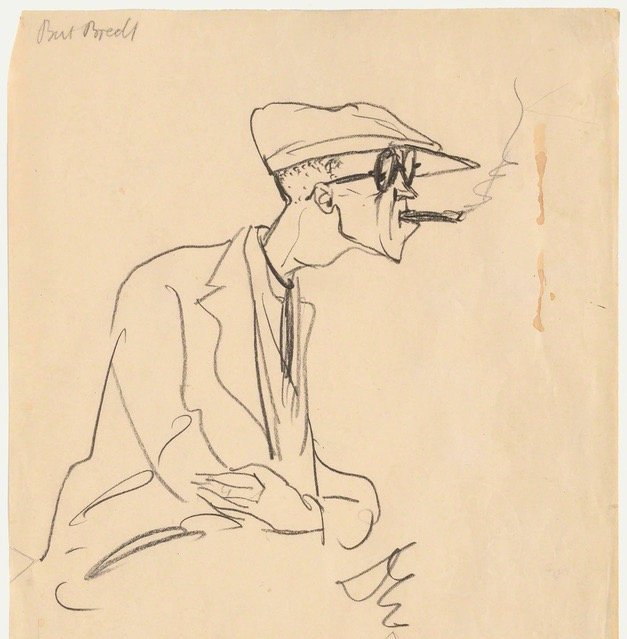
Bertolt Brecht in exile Translated from German into Albanian by Eda Zari On the Term “Emigrant” I always thought the name they gave us was wrong: Emigrants. That means people who leave their country. But we did not leave, freely choosing another land. Nor di
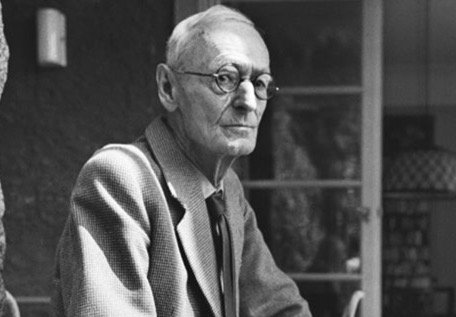
Hermann Hesse Albanian version by Eda Zari Hermann the Drunkard Speaks to John the Baptist Everything suits me fine — come, let us wander on! Things have taken their course; nothing can be changed now. Look: I am an empty house, door and windows open wide;
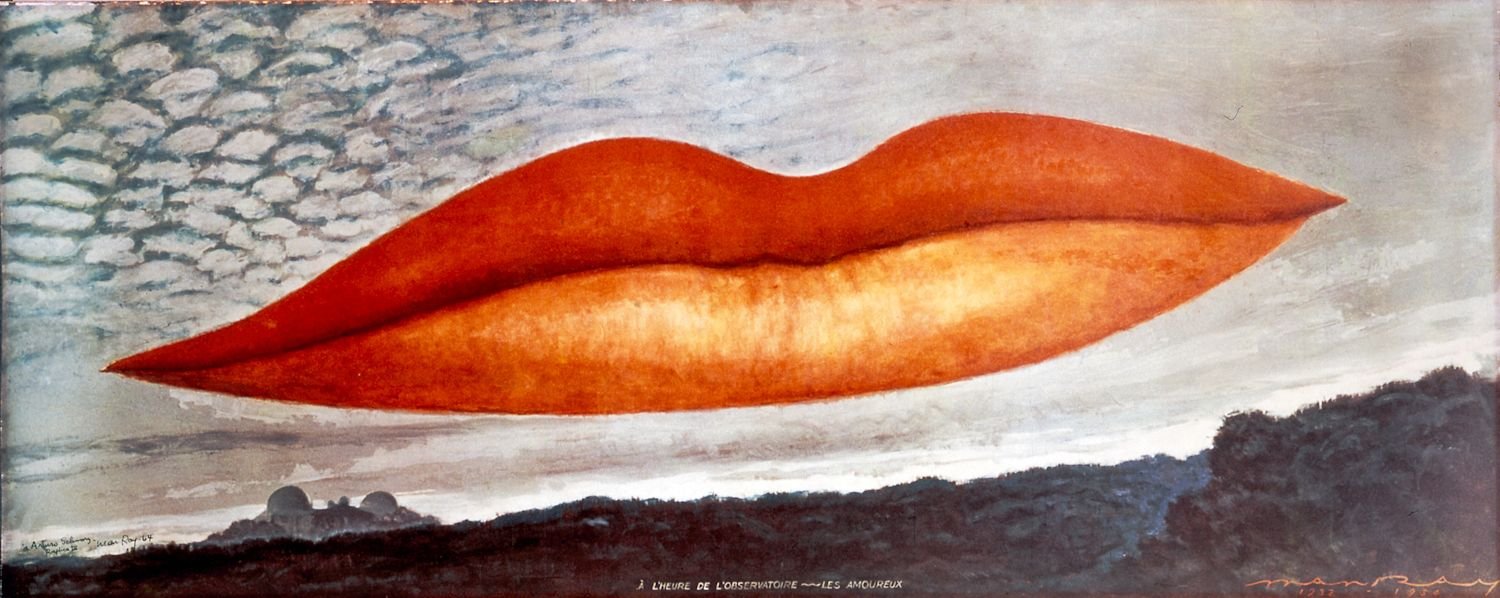
Else Lasker-Schüler (1869–1945) Albanian version by Eda Zari Abdul Antinous Your slenderness flows like dark jewellery. O you, my wild midnight sun, kiss my heart, my red-beating earth. How wide your eyes are opened — you have seen the heavens so near, so d
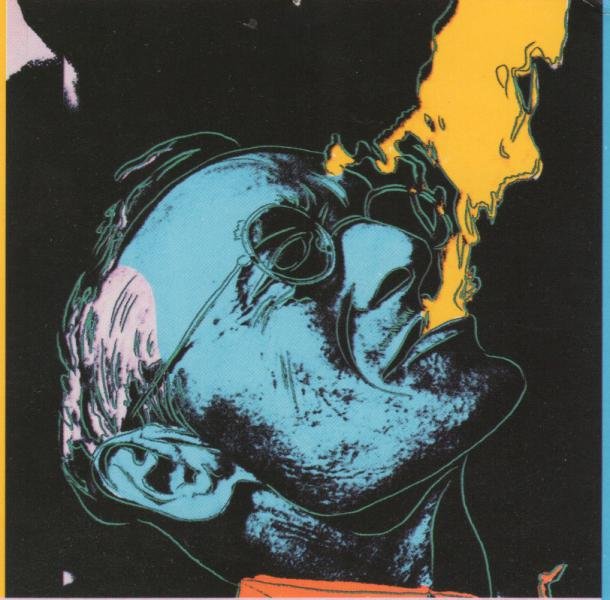
Eda Zari places Hermann Hesse’s “Letter from the Editorial Office” beside Lasgush Poradeci’s “To My Editors”, noting the shared frustrations two poets expressed toward literary gatekeepers.
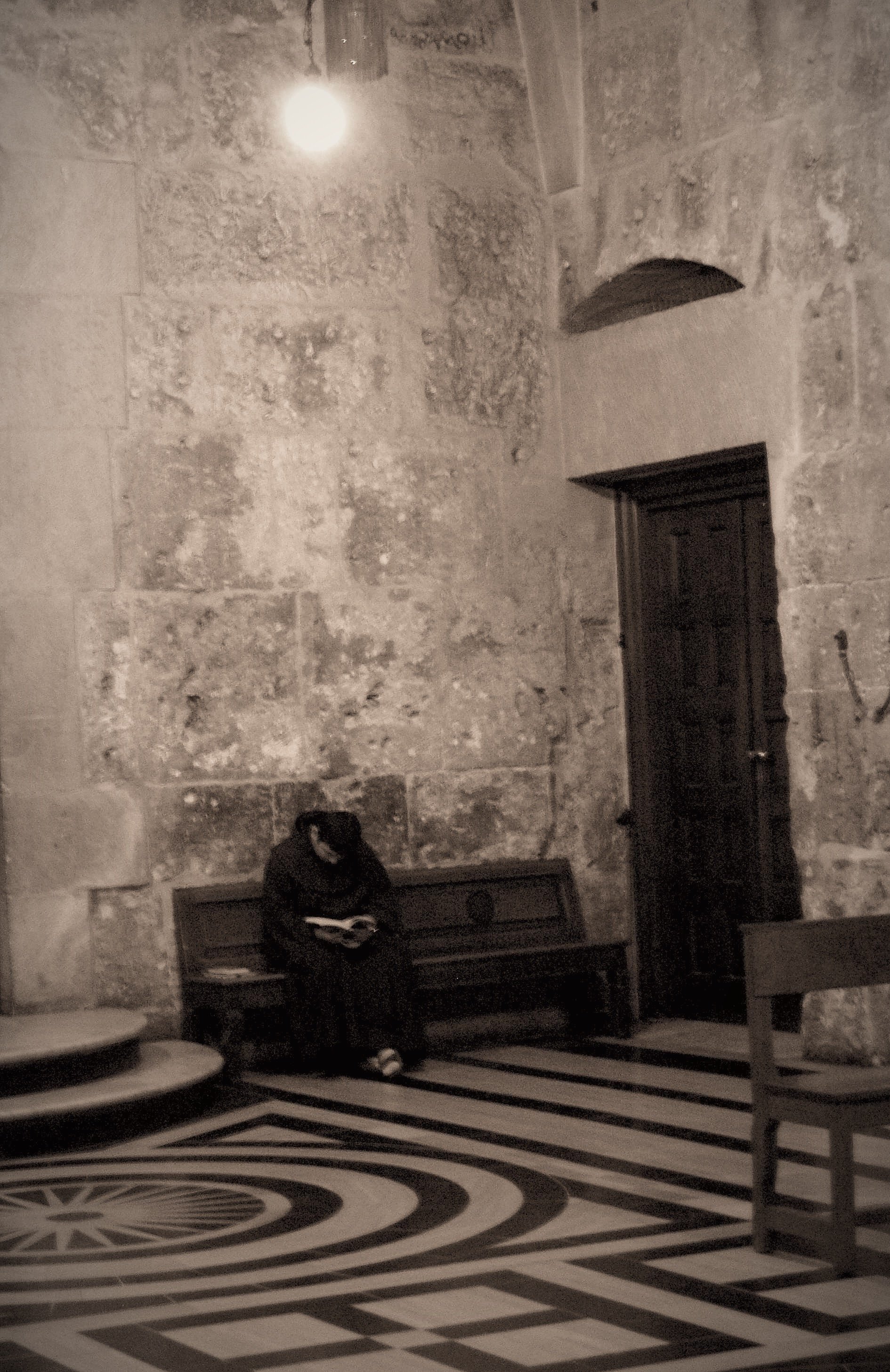
Hildegard of Bingen, c. 1170 Albanian version by Eda Zari The Soul The soul is like a wind that passes over herbs, like dew that falls upon the meadows, like rain-laden air that makes things grow. So too should a human being pour out goodwill upon all who c
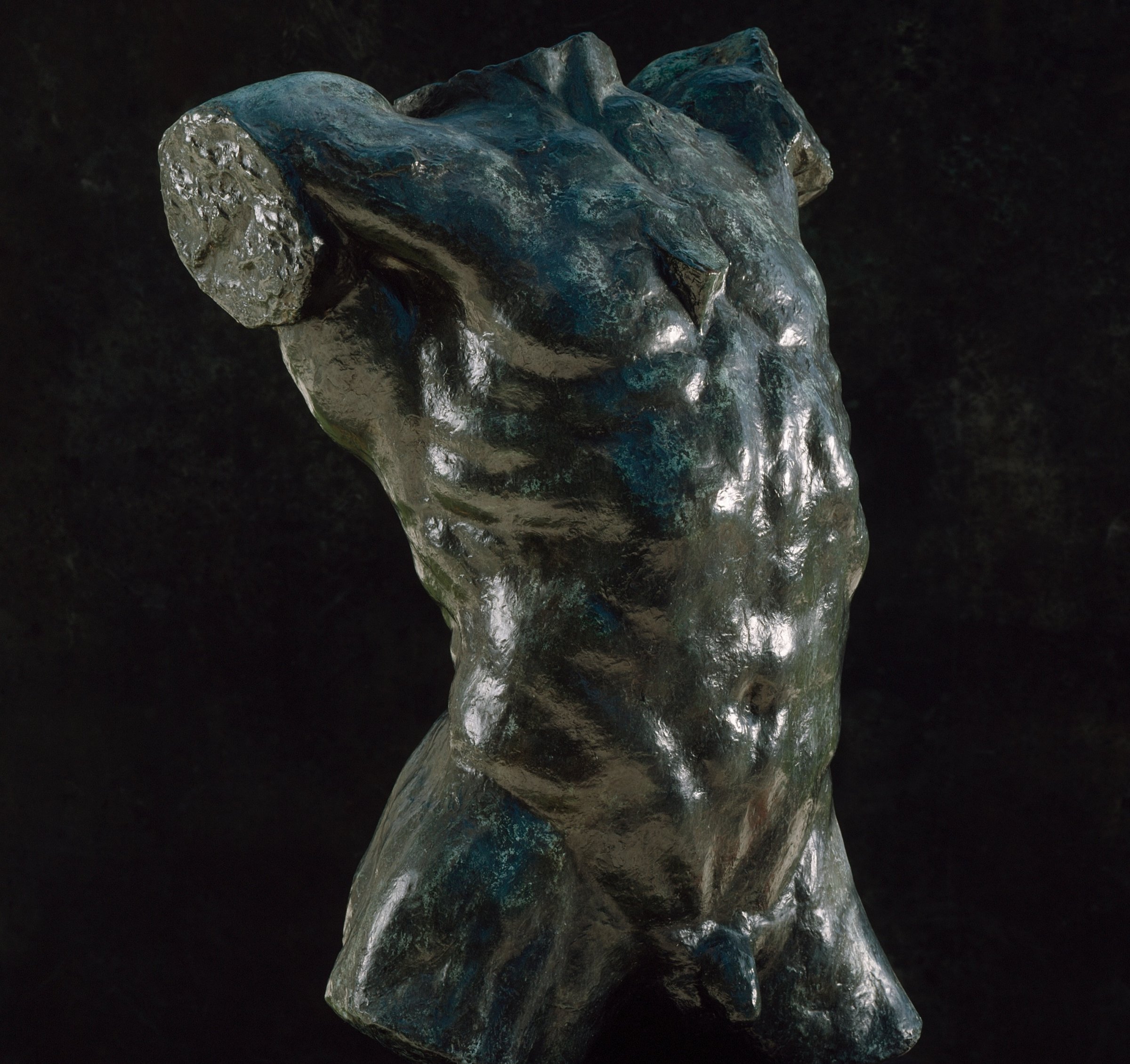
Eda Zari’s Albanian translation of Rilke’s “Archaic Torso of Apollo”, with reflections on the poem’s relationship to Auguste Rodin, the power of the fragment and the famous imperative to change one’s life.

Eda Zari’s Albanian translation of Ingeborg Bachmann’s 1957 poem “Erklär mir, Liebe”, accompanied here by an English rendering and the original German text.
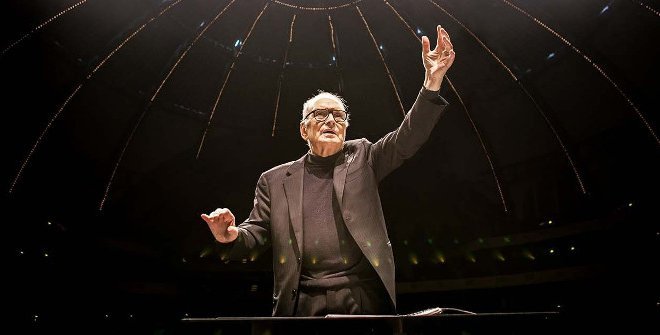
Eda Zari remembers seeing Ennio Morricone conduct in Cologne in 2016 and reflects on his film music, experimental practice, musique concrète, collaborations with Sergio Leone and his unique synthesis of the tonal, atonal, sacred and popular.
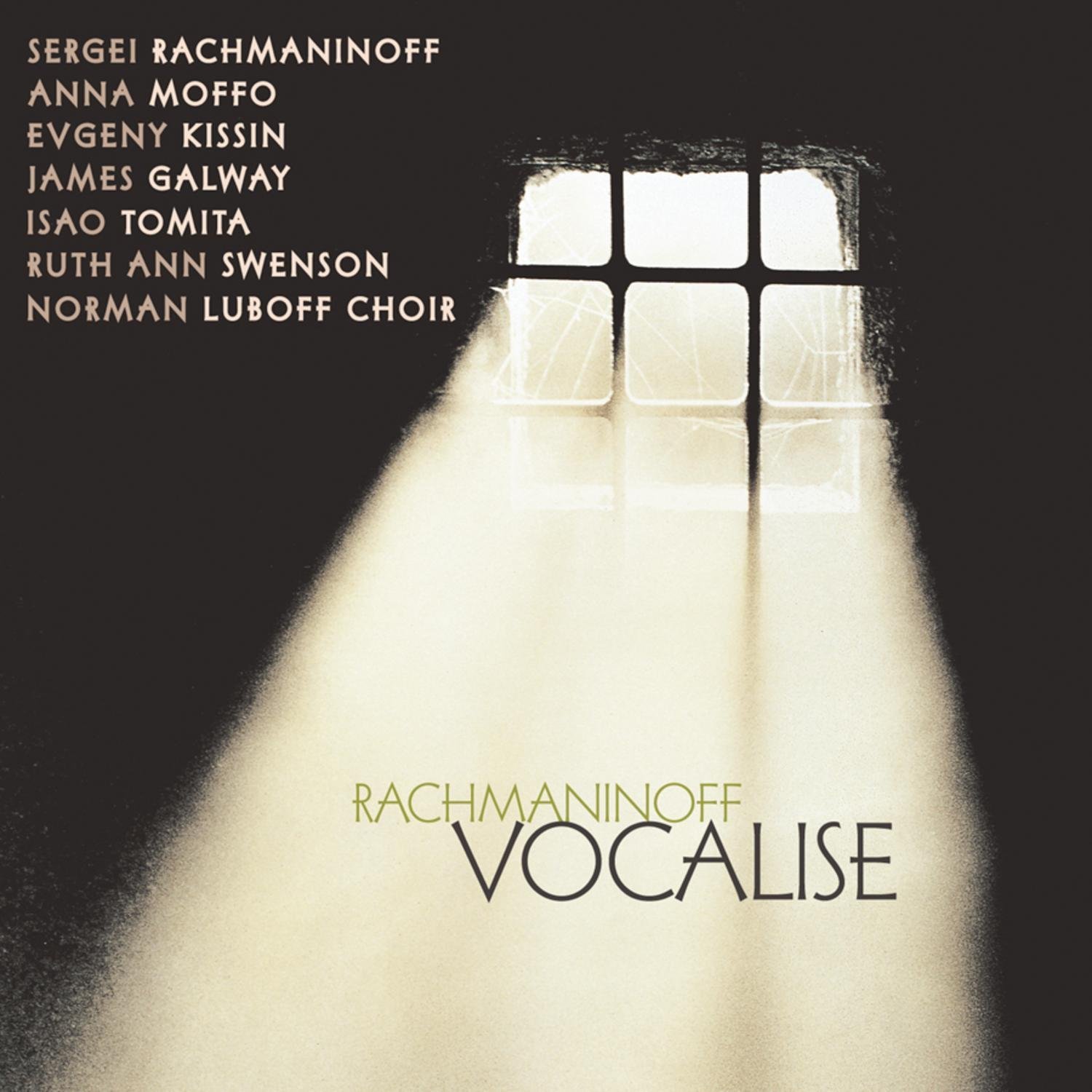
With Vocalise, Op. 34 No. 14, Sergei Rachmaninoff wrote a “song” without text, entrusted entirely to the expressive potential of the singing voice. The work inhabits a register that, I would say, lies beautifully across many instruments as well — especially th
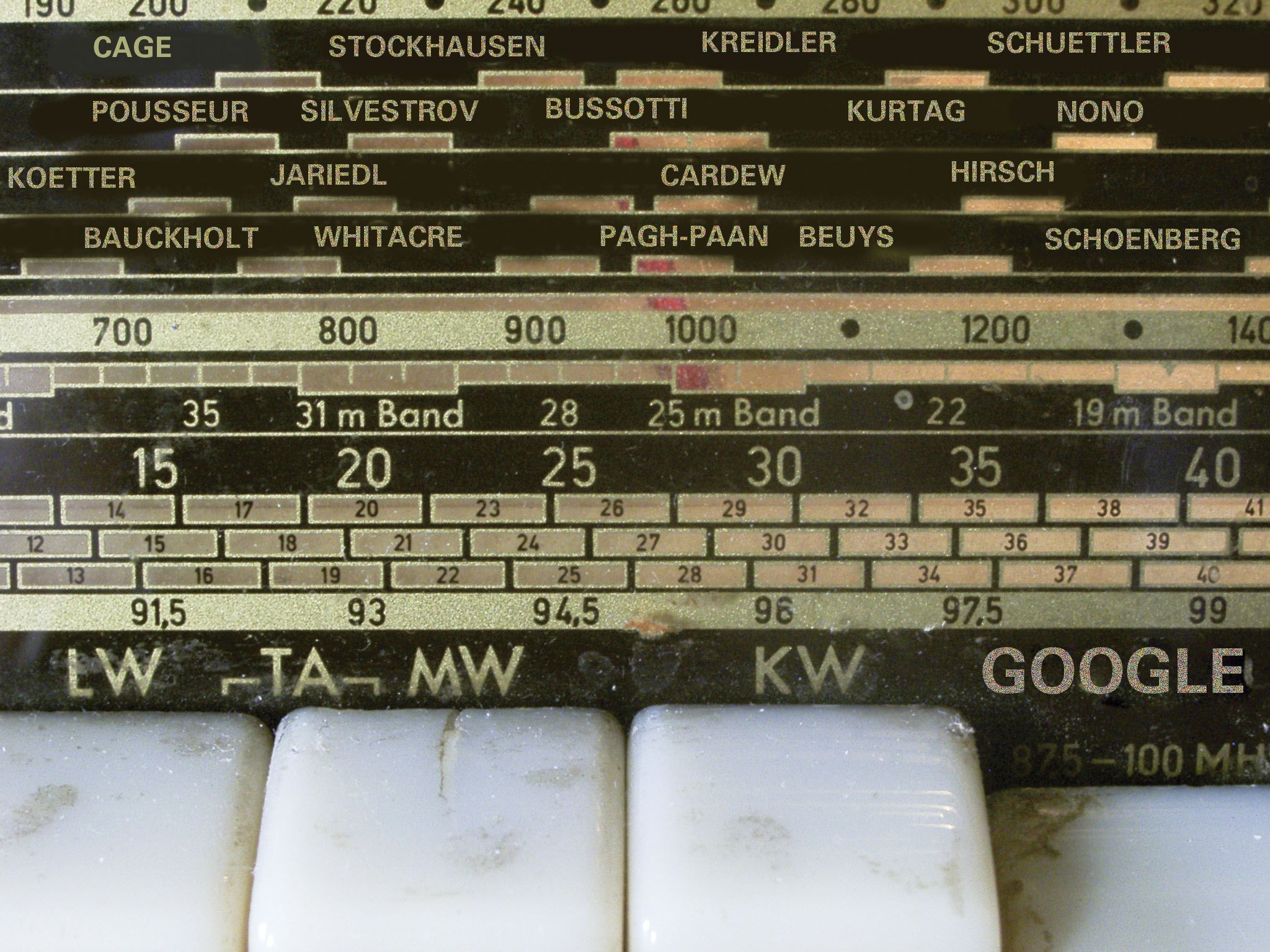
A personal essay on musical memory inspired by Umberto Eco’s The Mysterious Flame of Queen Loana, moving through childhood television, film music, Henry Mancini, folklore, Nietzsche and the strange power of remembered sound.
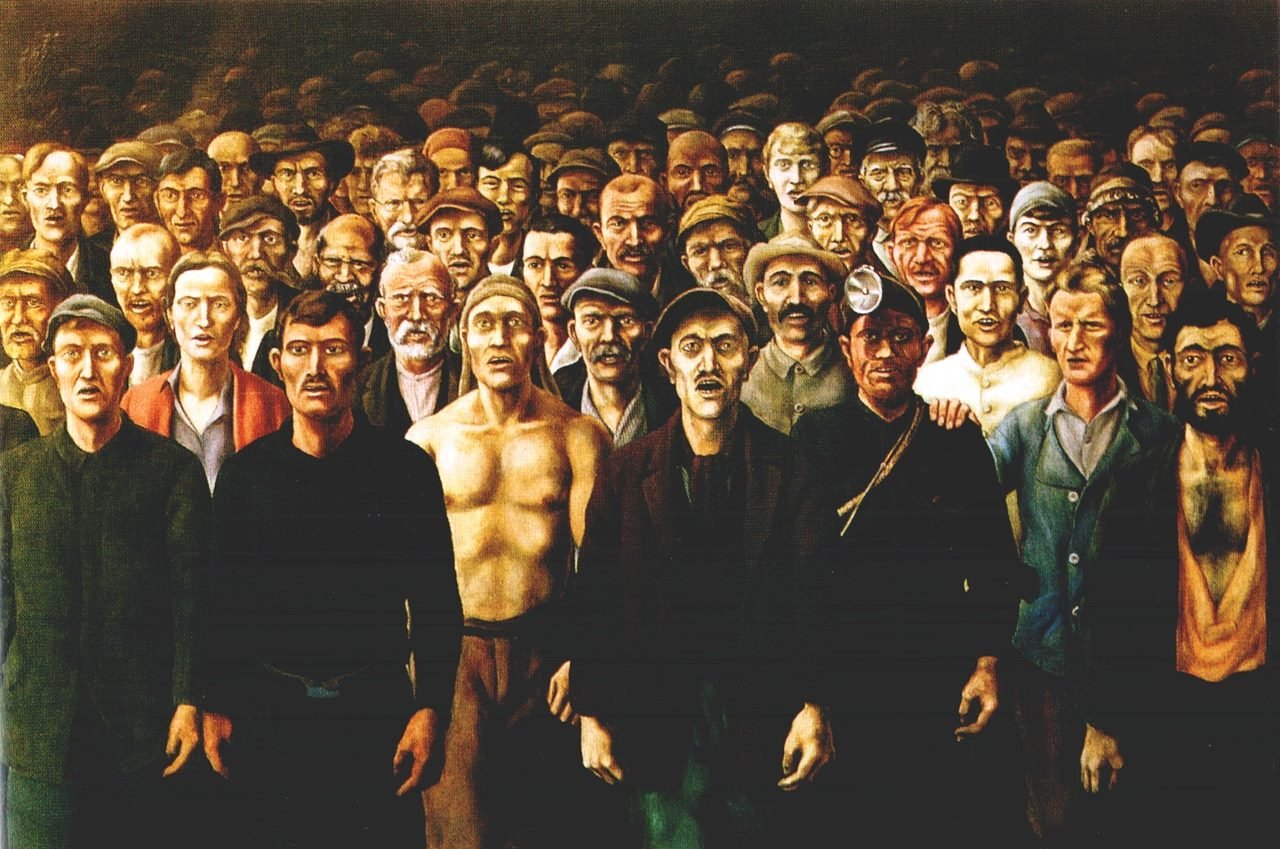
Hermann Hesse From Poetry, Volume I Albanian version by Eda Zari Refusal In response to several questions asking why I do not take the side of the communists: Better to be struck dead by a fascist than to become a fascist myself. Better to be struck dead by
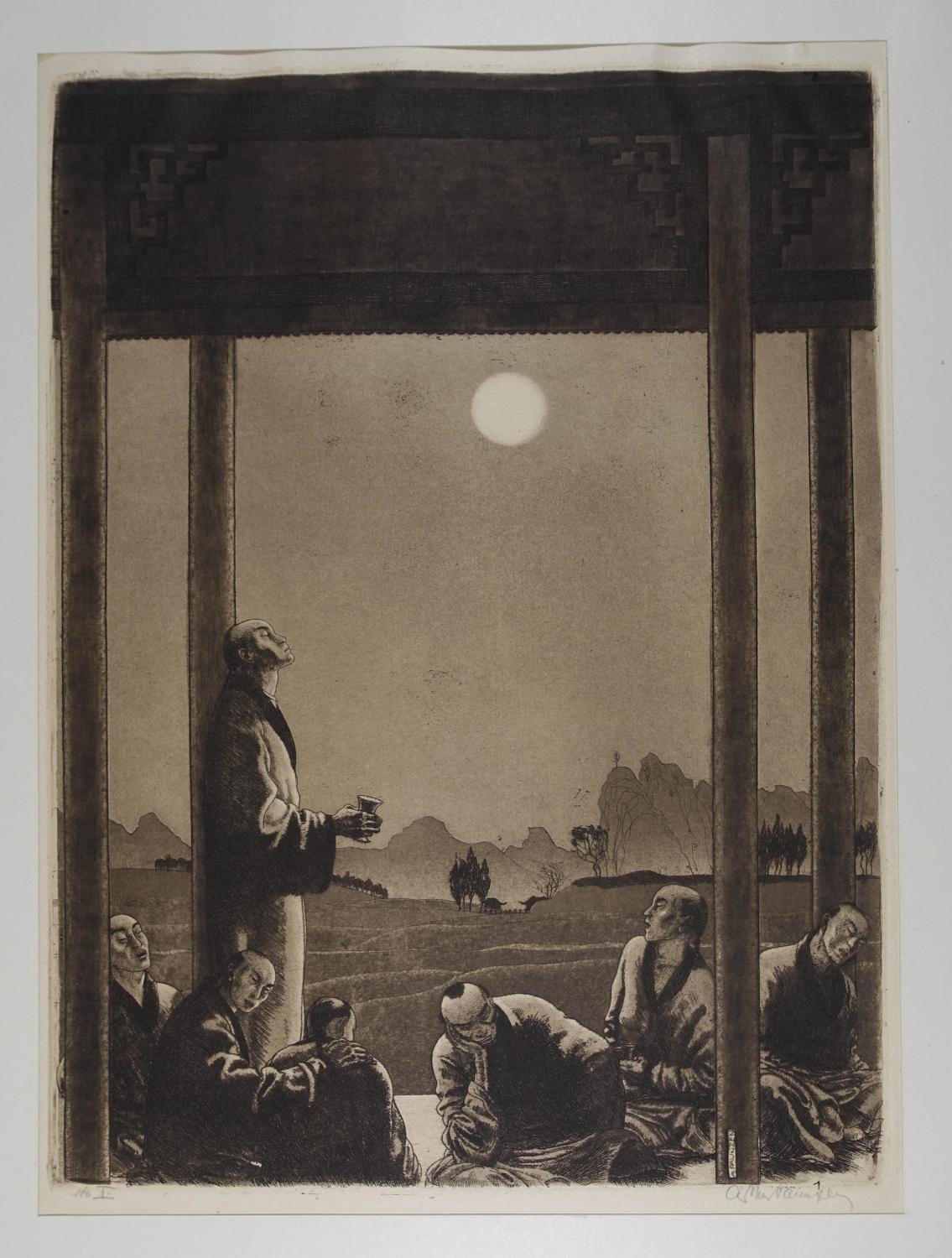
Eda Zari’s Albanian translation of the opening song from Gustav Mahler’s Das Lied von der Erde, with notes on Li Bai, Hans Bethge, impermanence, time and the philosophical architecture of Mahler’s late work.
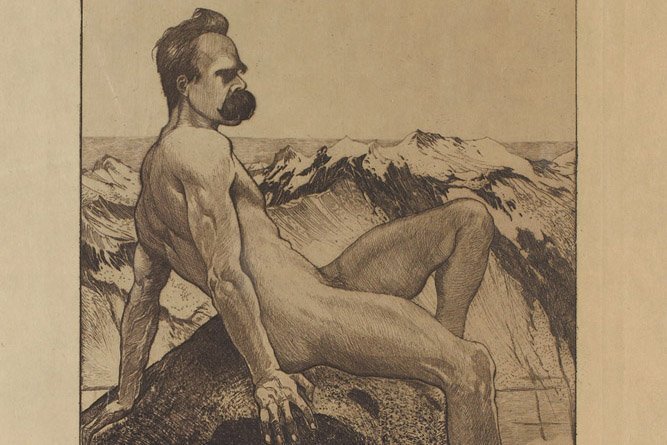
Friedrich Nietzsche Albanian version and notes by Eda Zari Star-Morality Written in 1881 Foreordained for the path of stars, what is the darkness to you, star? Roll blessed through this age; let its misery remain foreign and far from you. Your radiance belo
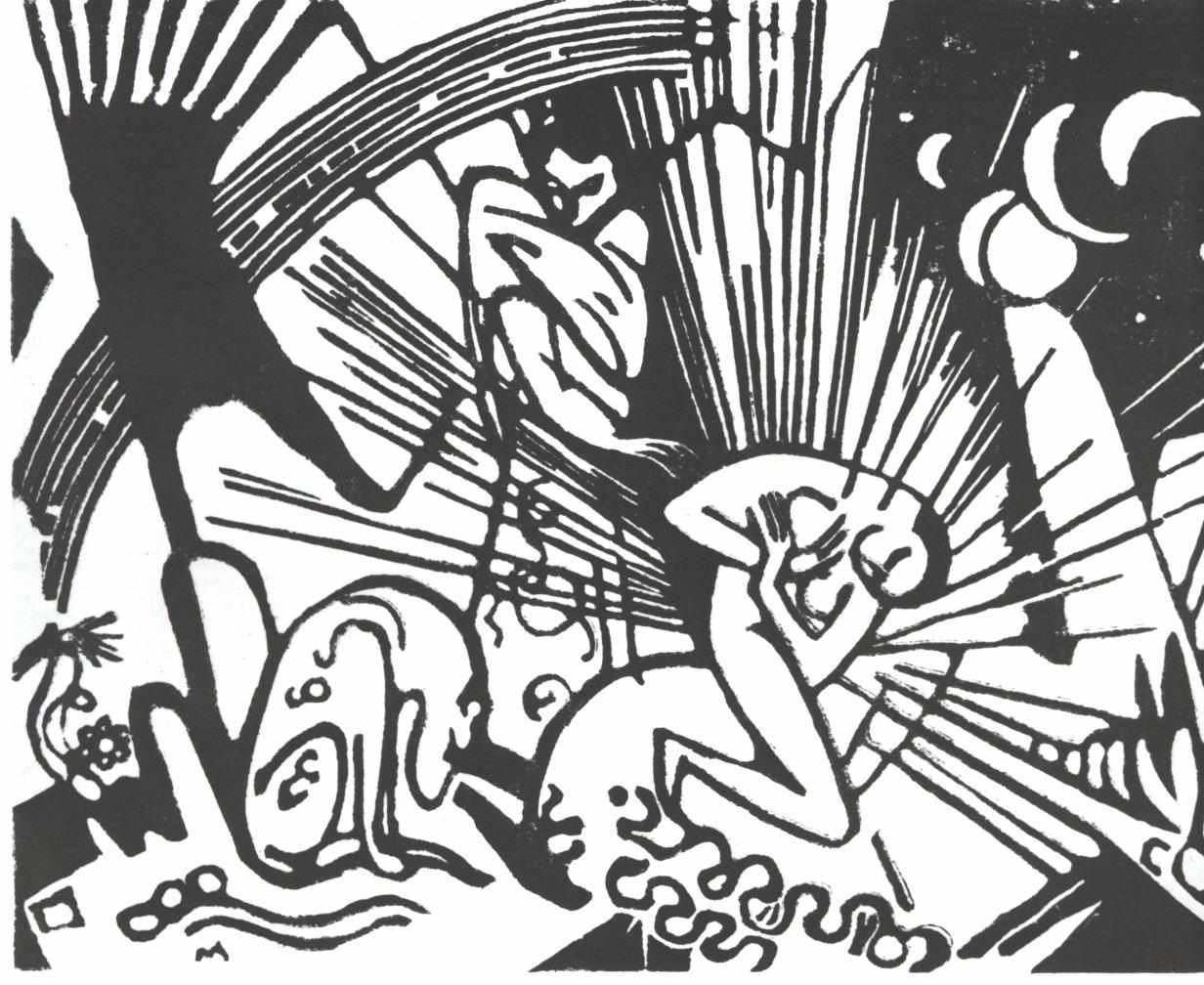
Eda Zari’s Albanian rendering of Else Lasker-Schüler’s 1910 expressionist poem “Orgie”, accompanied by notes on the poet, Franz Marc and their remarkable artistic correspondence.

Written during the first COVID-19 lockdown, Eda Zari reflects on jazz as live communication, improvisation, equality and resilience, ending with ten personal album recommendations for International Jazz Day.
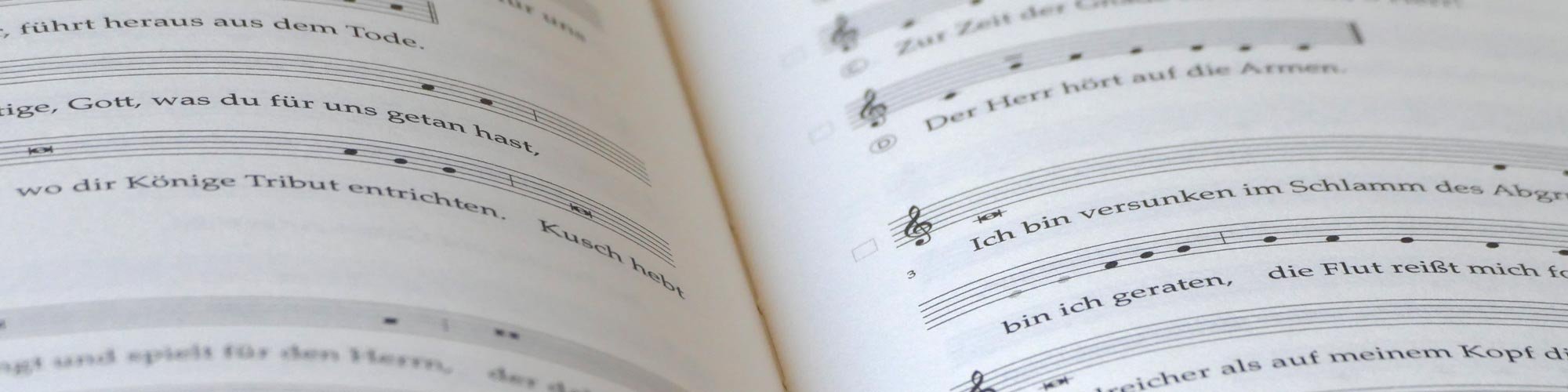
Written at the beginning of the COVID-19 pandemic, Eda Zari traces historical music and prayer against plague, from Marian invocations and polychoral masses to a modern call for collective responsibility, care and hope.
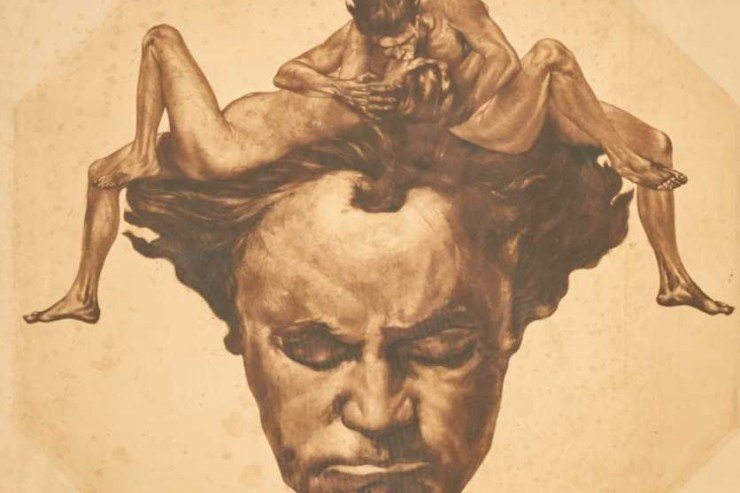
For Beethoven’s 250th anniversary, Eda Zari explores the composer as a legendary improvising pianist and connects his practice of spontaneous fantasy with Bill Evans, Michel Petrucciani, Miles Davis and modal jazz.
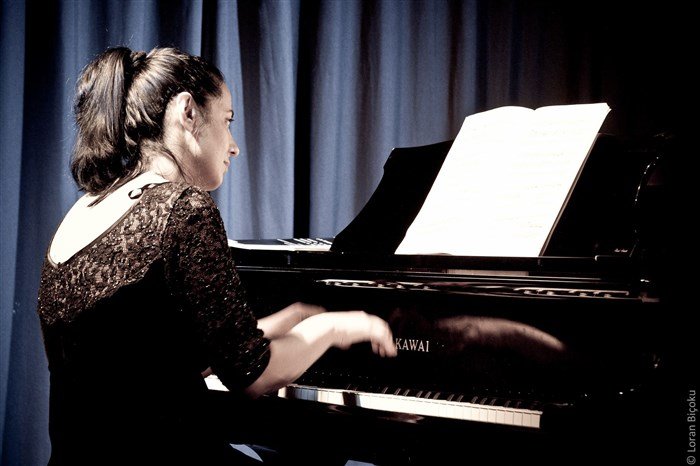
Inspiration drawn from traditional music and archaic tonalities never reduced the work of Prof. Çesk Zadeja to simple folklorism. In his compositions — including the Piano Concerto in E-flat major of 1968 — one senses, as with many composers of that period, a
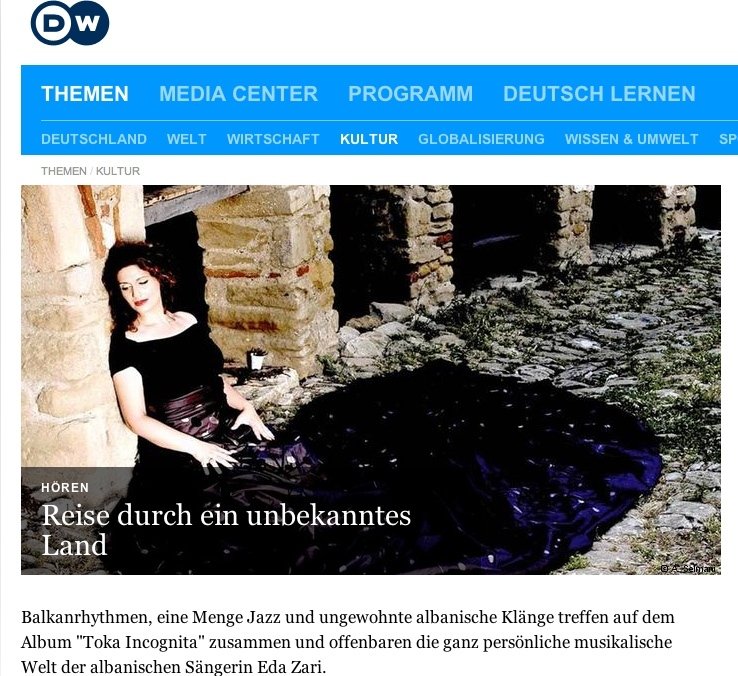
Deutsche Welle profiles Eda Zari’s journey from Albanian iso-polyphony and classical vocal training toward jazz, improvisation and the contemporary sound world of Toka Incognita.
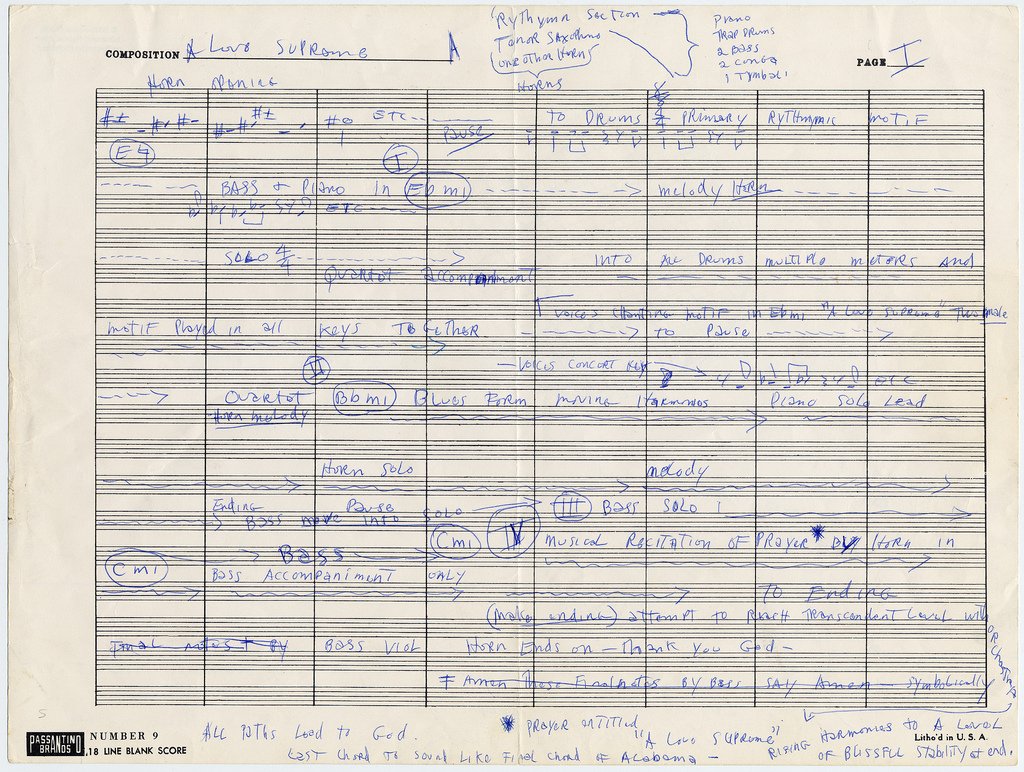
Eda Zari examines the liturgical potential of jazz, its roots in African-American sacred music, John Coltrane’s A Love Supreme and the long relationship between improvisation, faith and worship.
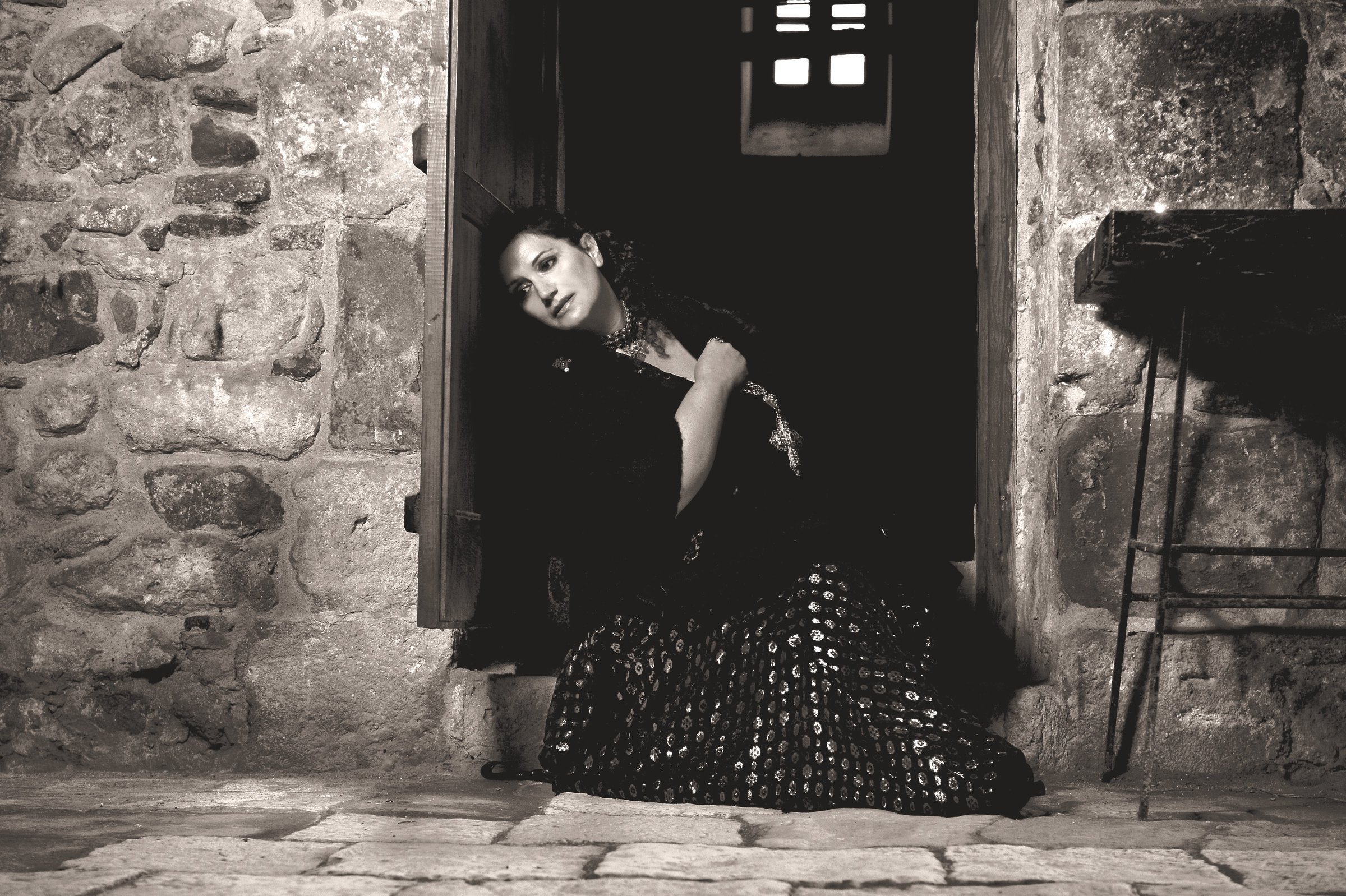
Composer and scholar Vasil Tole reflects on Entropy as a radical meeting between Byzantine hymnody and jazz, centred on prayer, transformation and a new relationship between sacred text, voice and instruments.
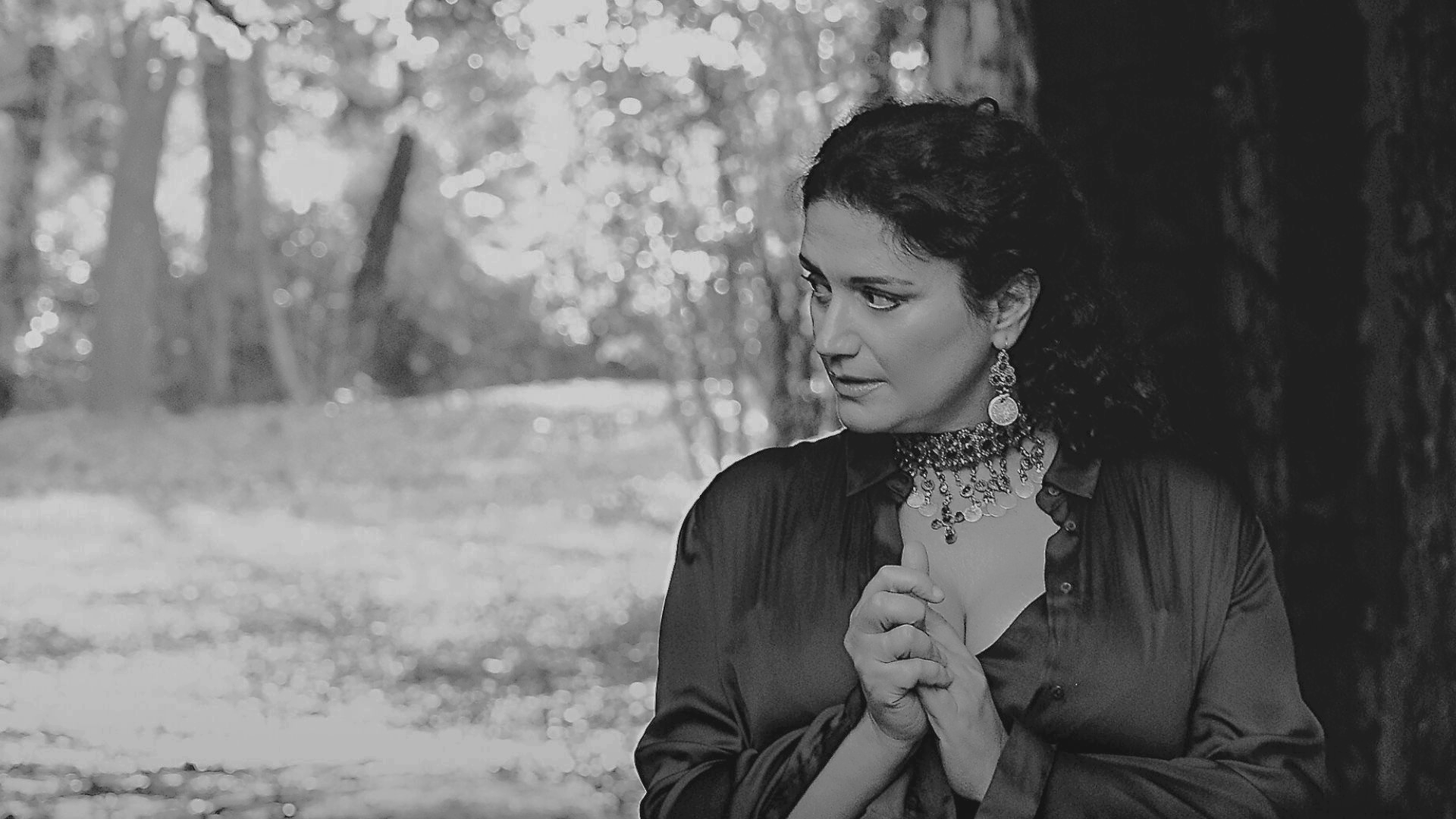
Dr Mikaela Minga reviews Entropy, Eda Zari’s concept album in which Byzantine liturgical chant, Albanian vocal traditions and contemporary jazz collide, merge and transform one another.
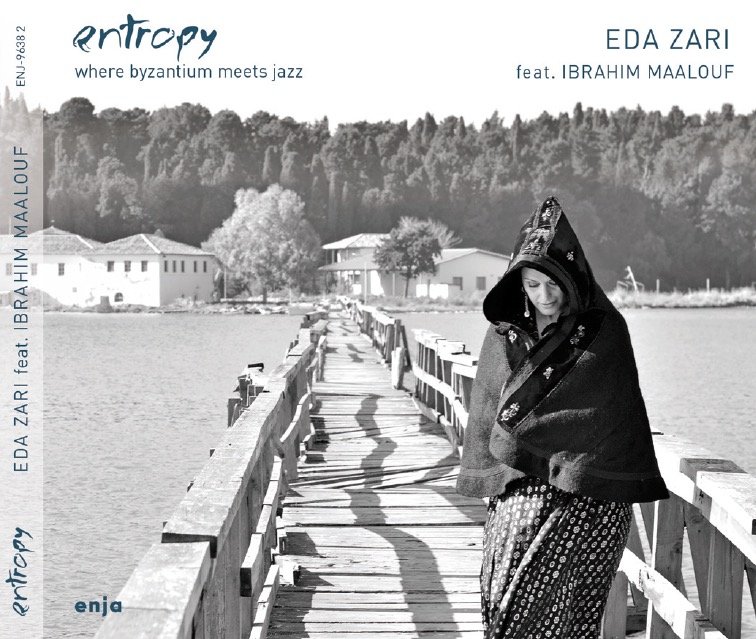
The concept statement for Eda Zari’s Entropy: an octet of Byzantine hymns transformed through jazz, polyrhythm, improvisation and Albanian vocal traditions, dedicated to cultural survival and to Theofan S. Noli.
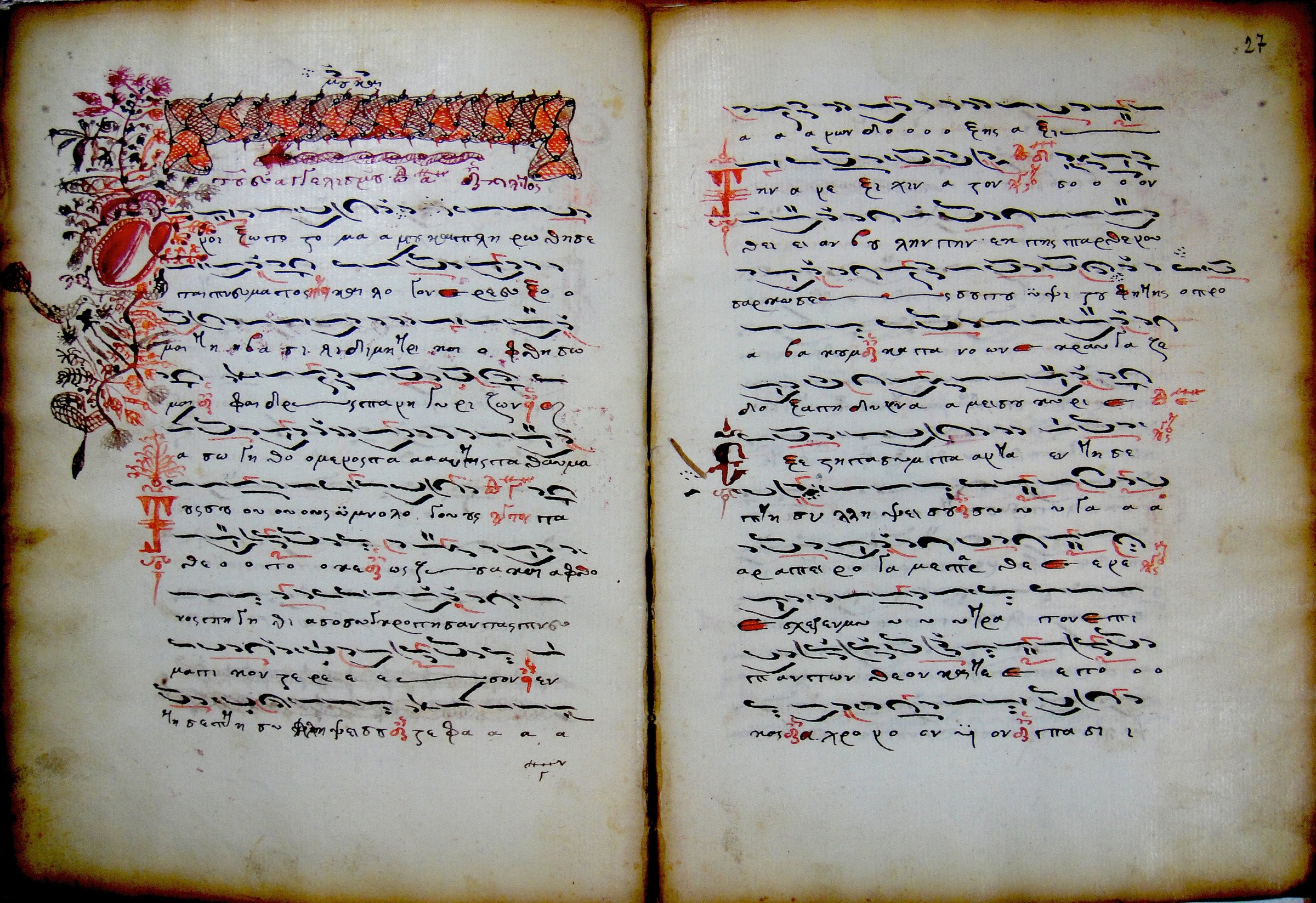
Archivist and paleographer Sokol Çunga introduces the Byzantine musical tradition behind Eda Zari’s Entropy, tracing its history, liturgical practice and revival in Albania.
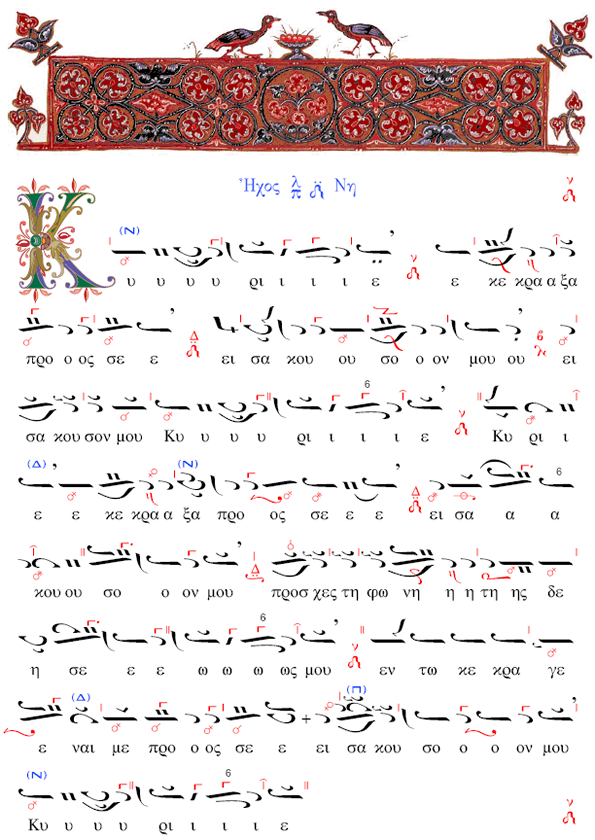
The Greek-language edition of Sokol Çunga’s introduction to the Byzantine musical tradition behind Eda Zari’s Entropy, presented here in a complete English edition.
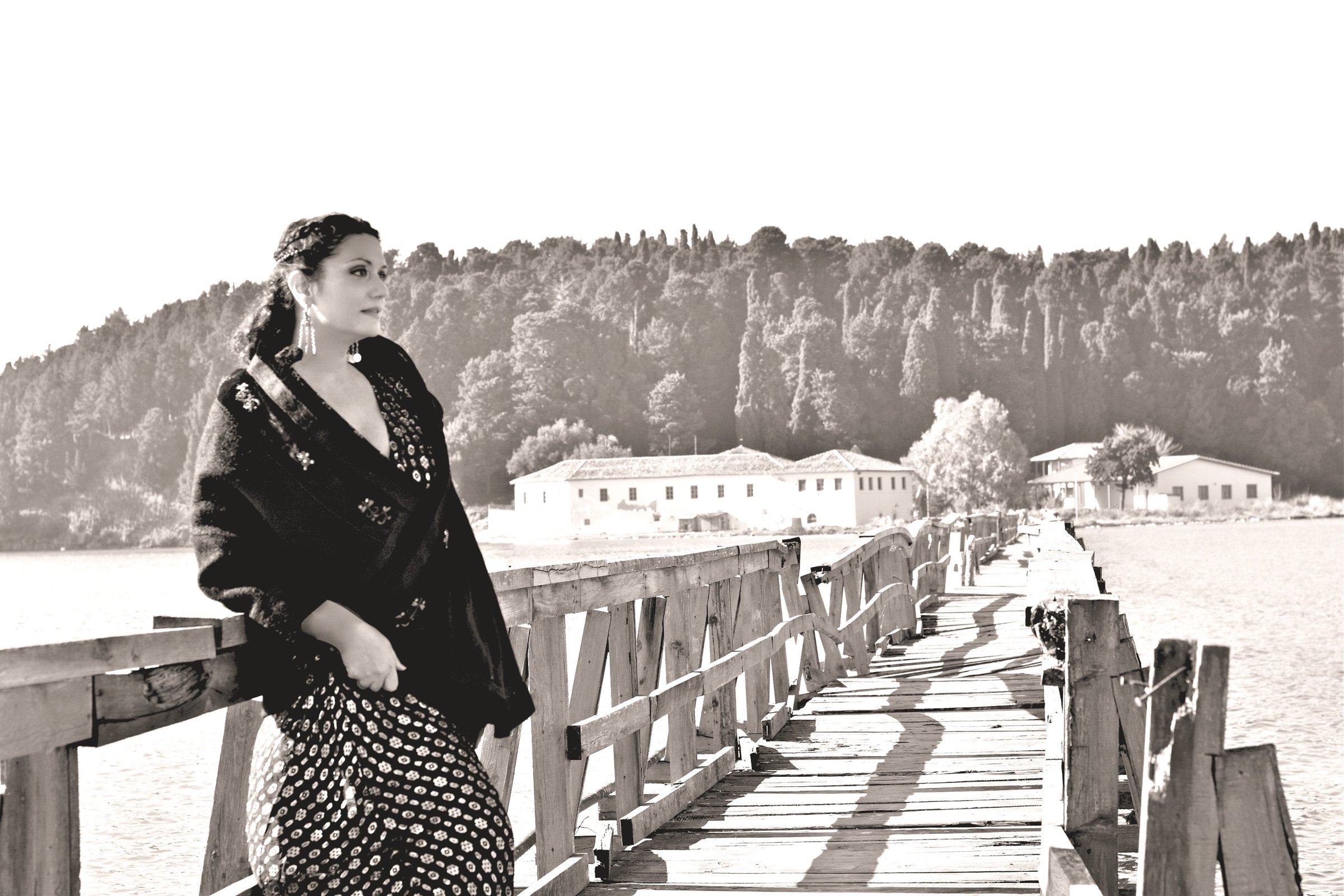
Dr Përparim Kabo’s lyrical essay on Toka Incognita, reading Eda Zari’s music through myth, memory, Albanian oral culture, iso-polyphony, jazz, blues and the primordial idea of the Muse.
Conversations on identity, music, creative practice and the stories that connect past and present.
Social culture · gender equality
Stage, festival, encounter.
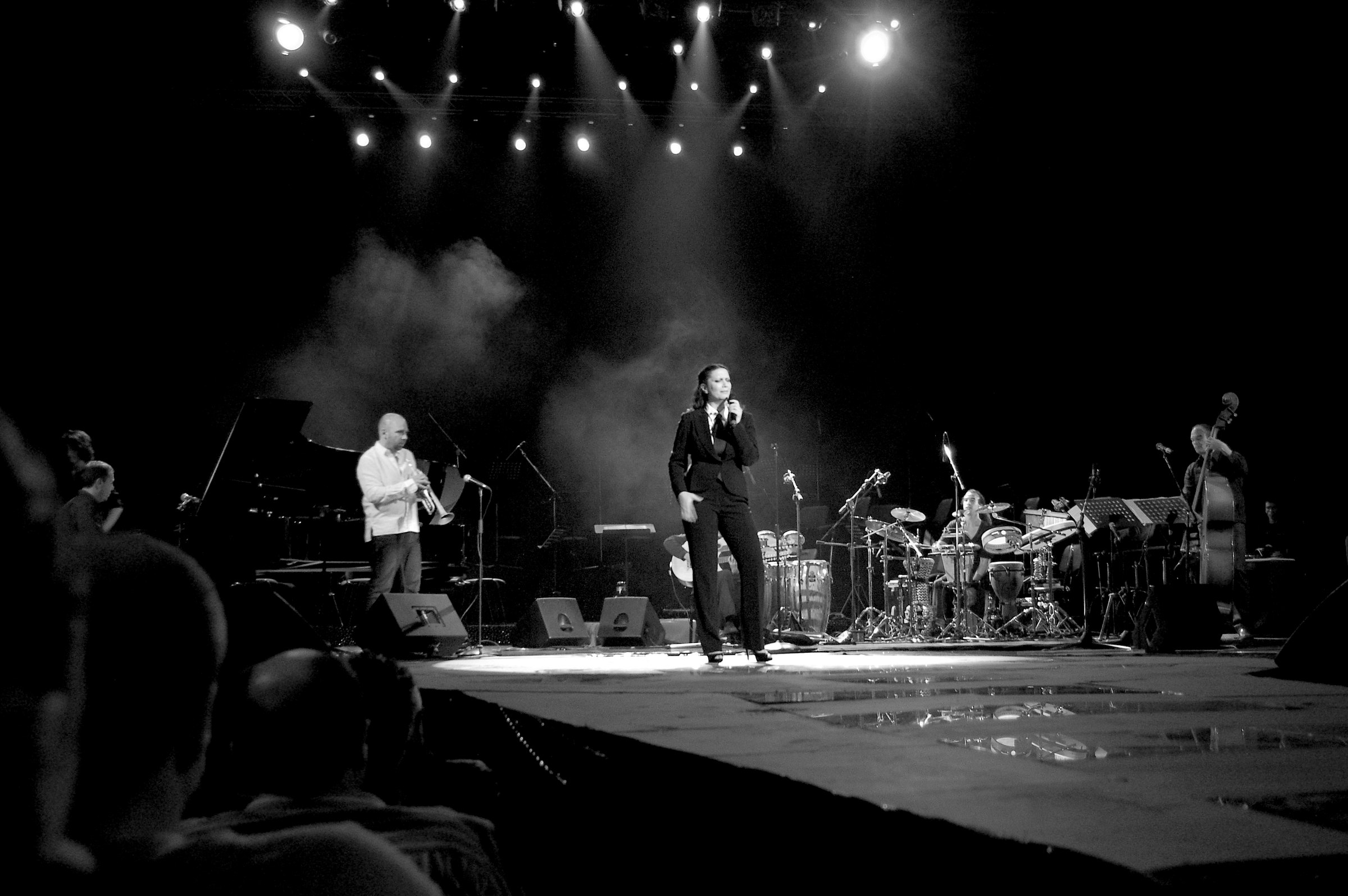
A living archive of connections across music, writing, film, performance and place.
EXPLORE THE ARCHIVEHover to reveal connections. Select a work to see its details.Tap a work to follow its connections and explore its story.